My signature style to communicate personas and scenarios.
Doodle People is the hand-drawn notation I use to explain complex systems: stick figures in stable costumes, plainly drawn objects, and scenes that put them together. It started on whiteboards, moved to an iPad, and became a shared library other designers draw with.

Doodle People
Whiteboards, workshops
The page's opening paragraph, in my words: why I draw, how the doodle person came to be the unit of the system, and what the rest of the page holds.
Drawings allow ideas to be communicated in ways that language alone cannot achieve. As my work extends into more and more complex domains and systems, I've developed a drawing style that is direct, quick to produce, and scalable to explain different situations. The unit of this system is the doodle person. An expressive and adjustable individual that embodies persona attributes and situates into stories. These characters have been reproduced on numerous whiteboards and formal diagrams and have transcended language barriers with clarity and a bit of humour. Below is the entire collection of doodle people with workshop examples and composite diagrams from projects found elsewhere throughout this portfolio.
Two rooms where the notation is drawn live: a long whiteboard wall in Japan in 2015 where three of us sketch the figures beside the notes, and a glass wall in 2017 where four people study a journey on taped-up paper. The drawing is a facilitation tool here, not an illustration made afterwards.
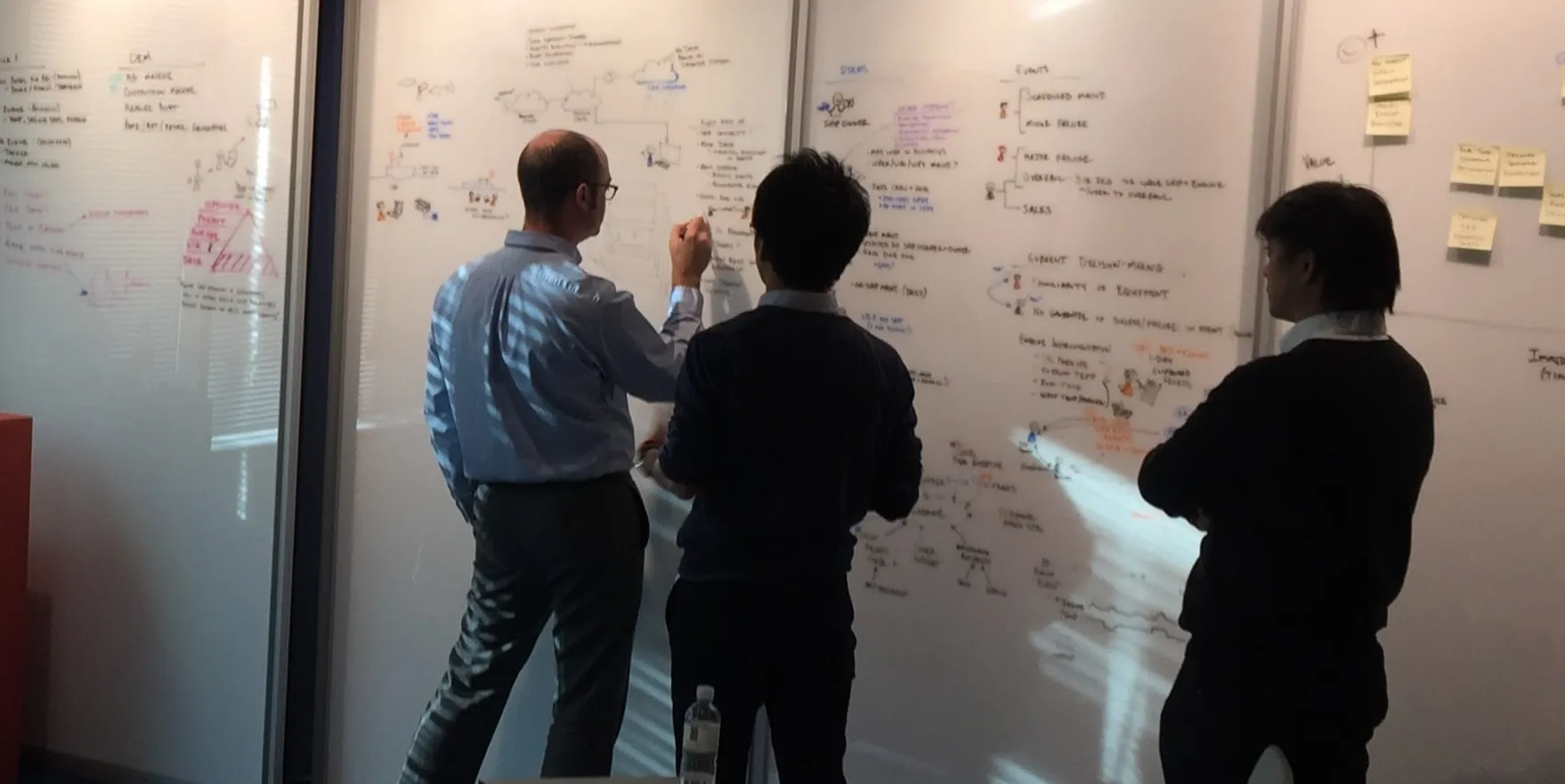
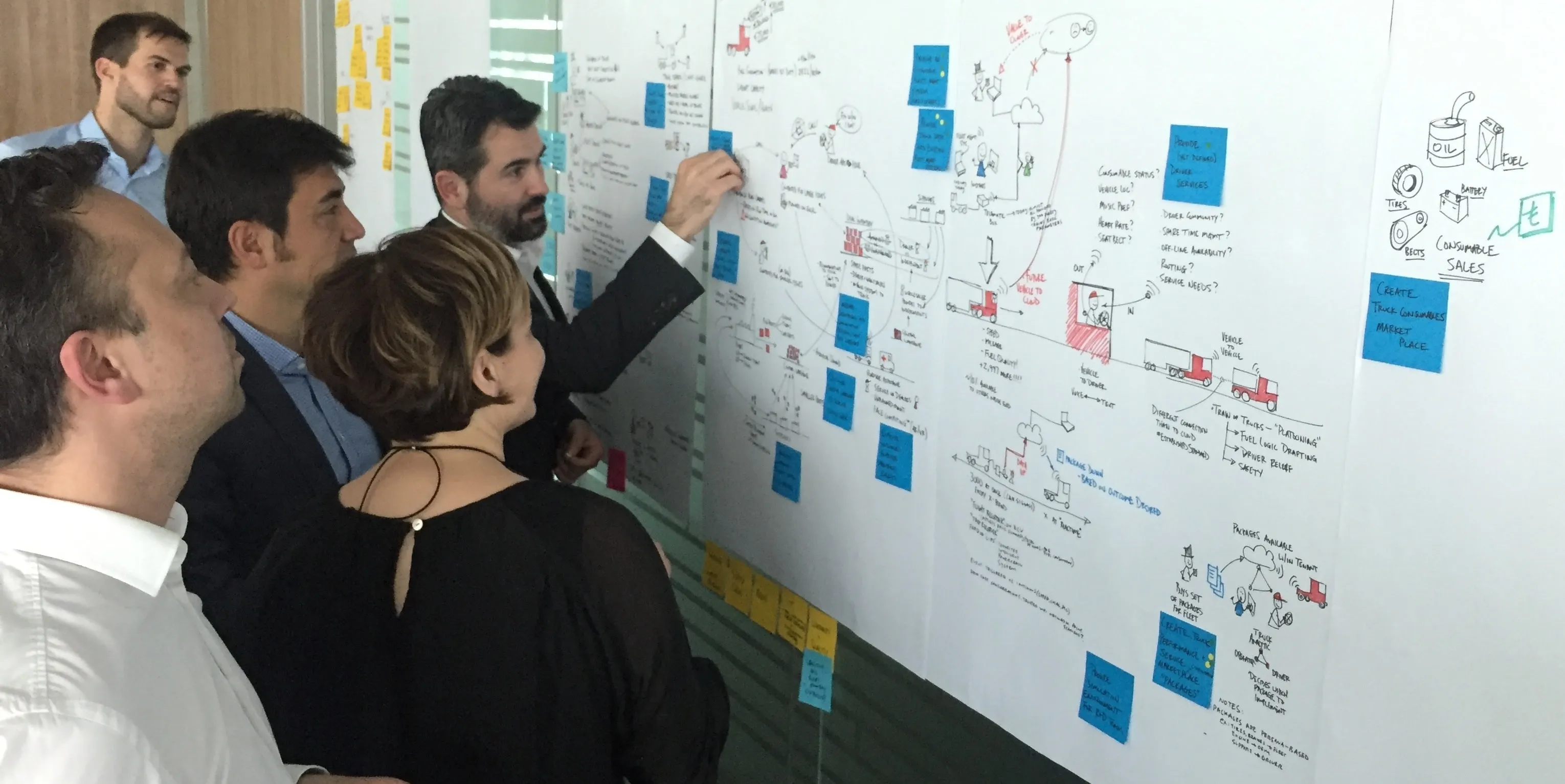
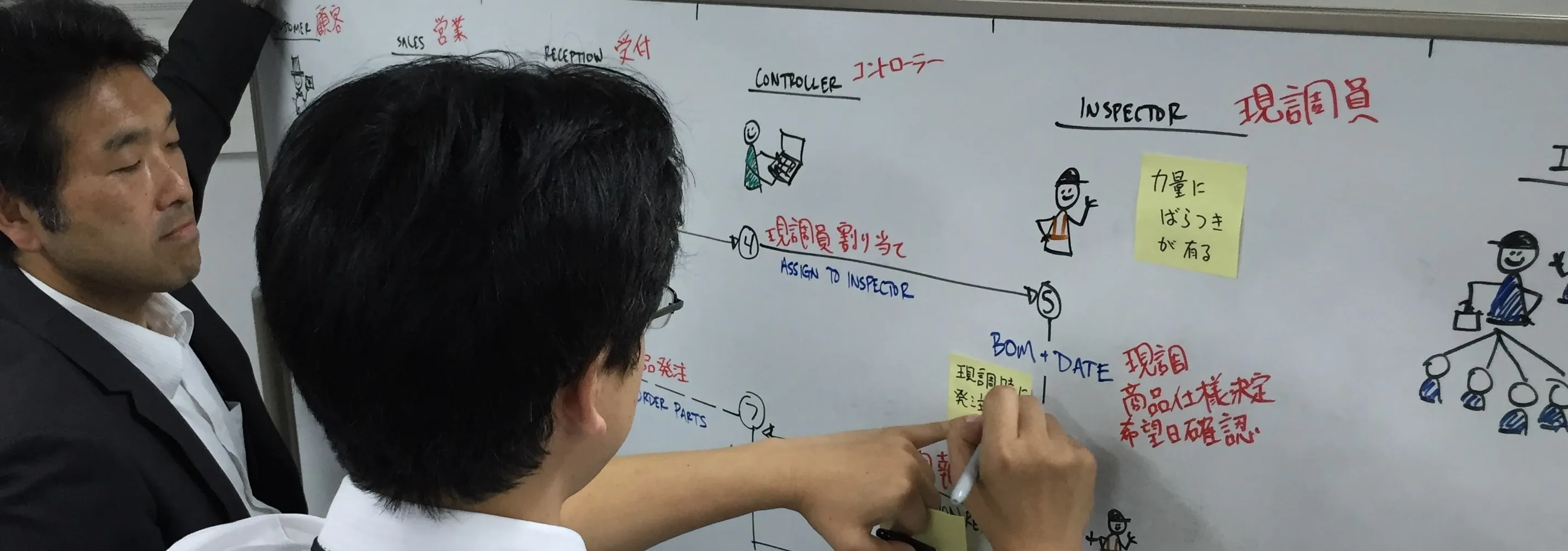
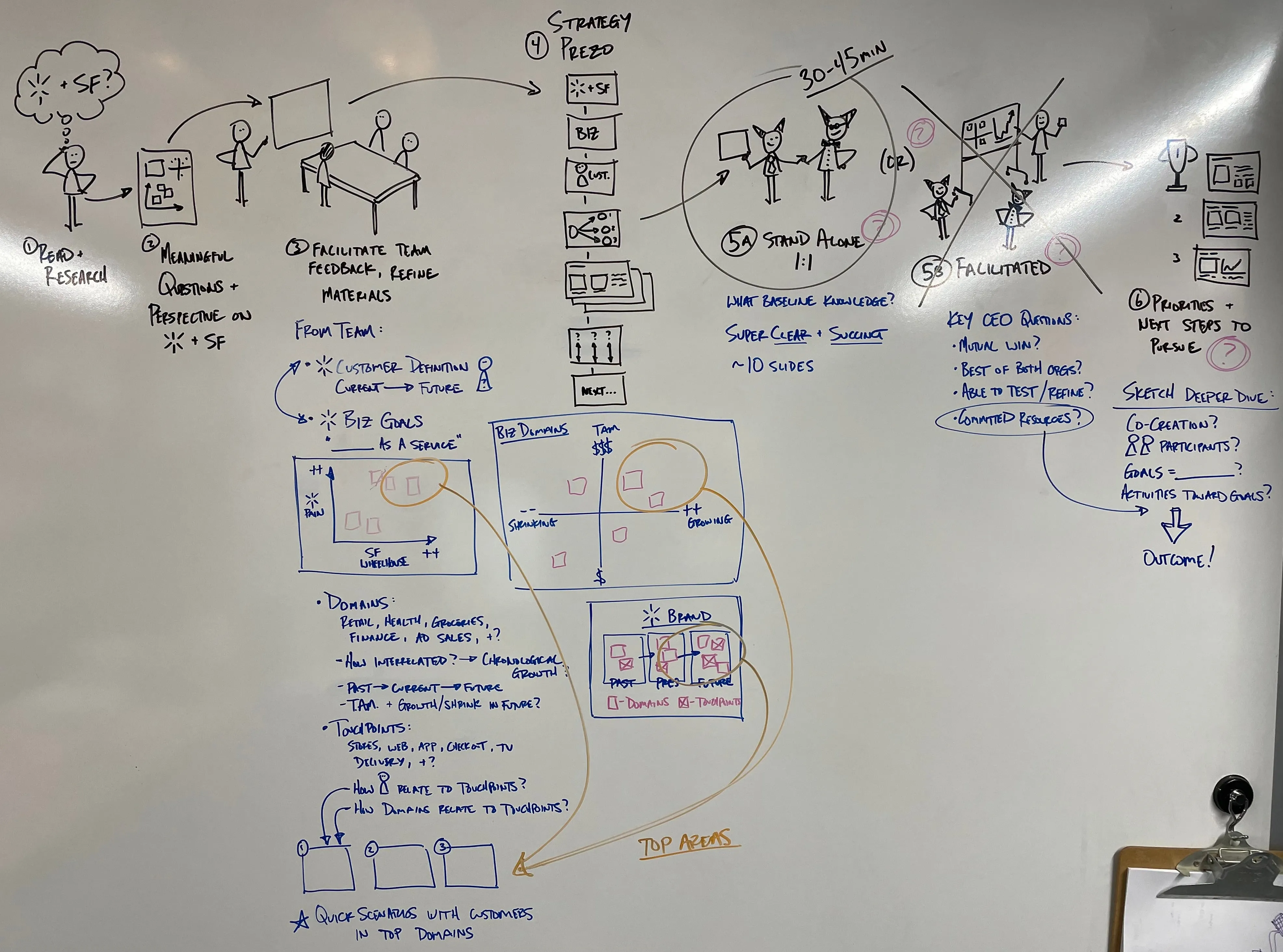
A numbered workflow of stick figures drawn live in a Japanese office in 2015, with a participant adding a sticky note, beside a 2022 whiteboard storyboard of a strategy presentation. Seven years apart, the same figures doing the same job: holding a group on one picture.
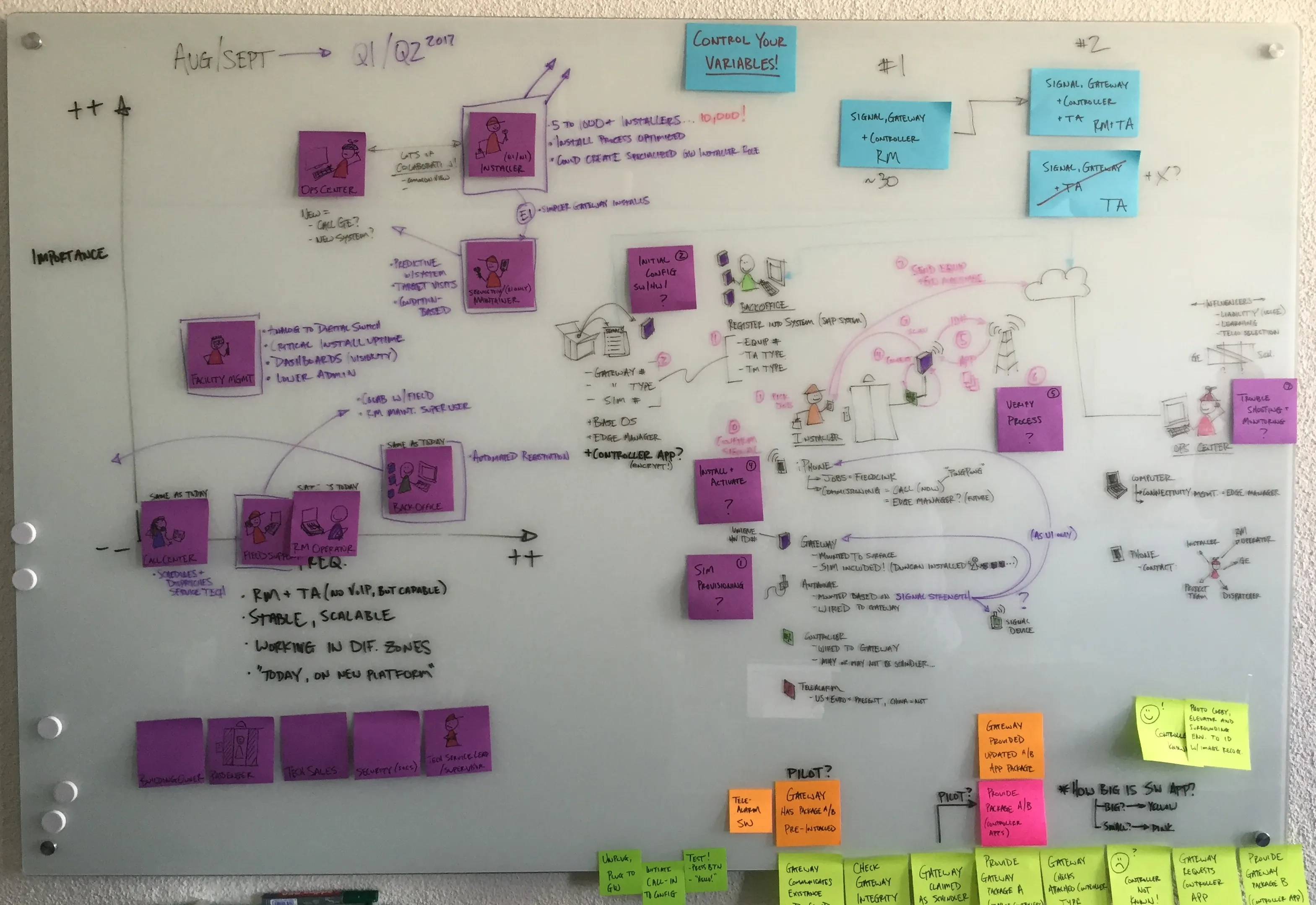
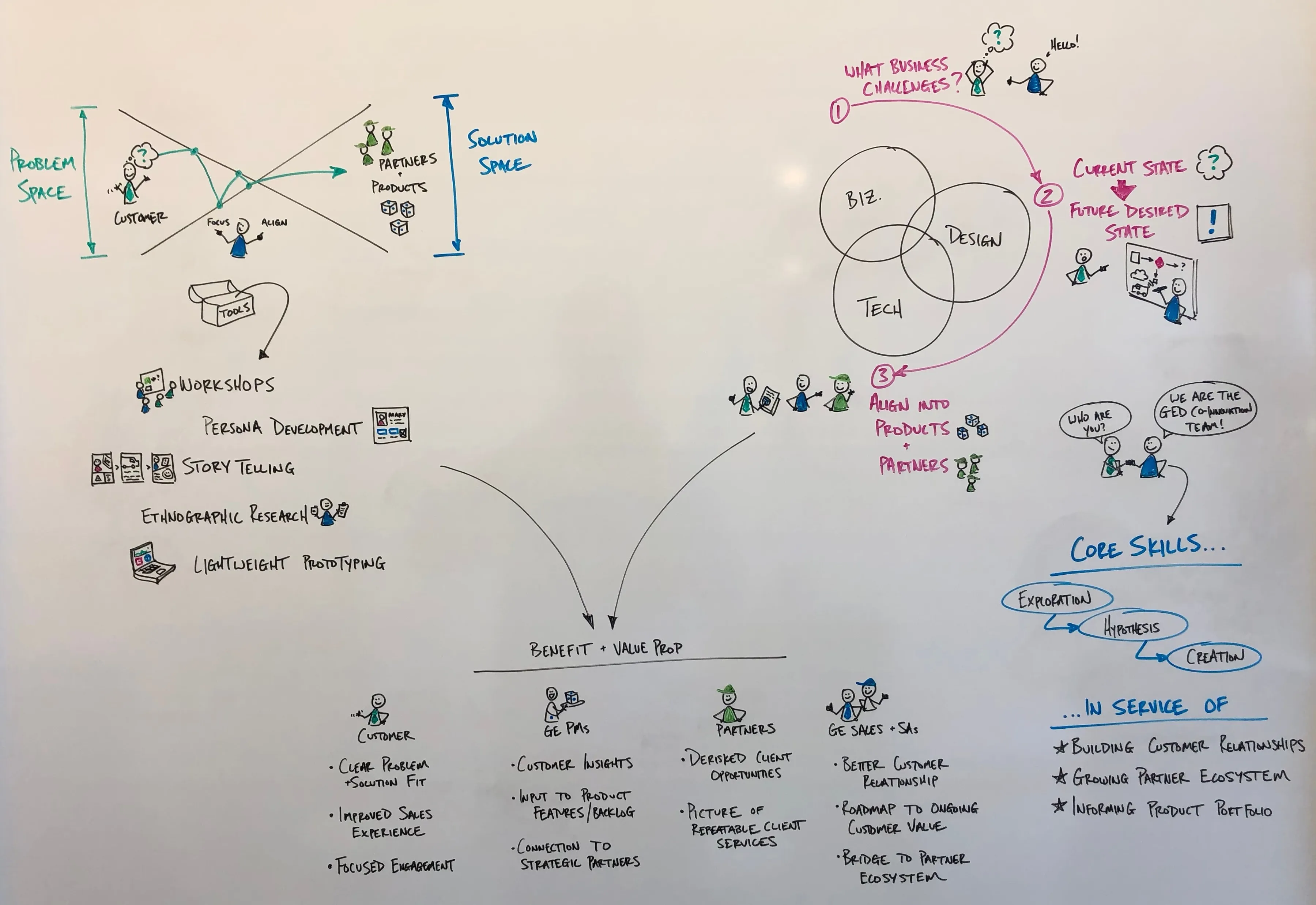
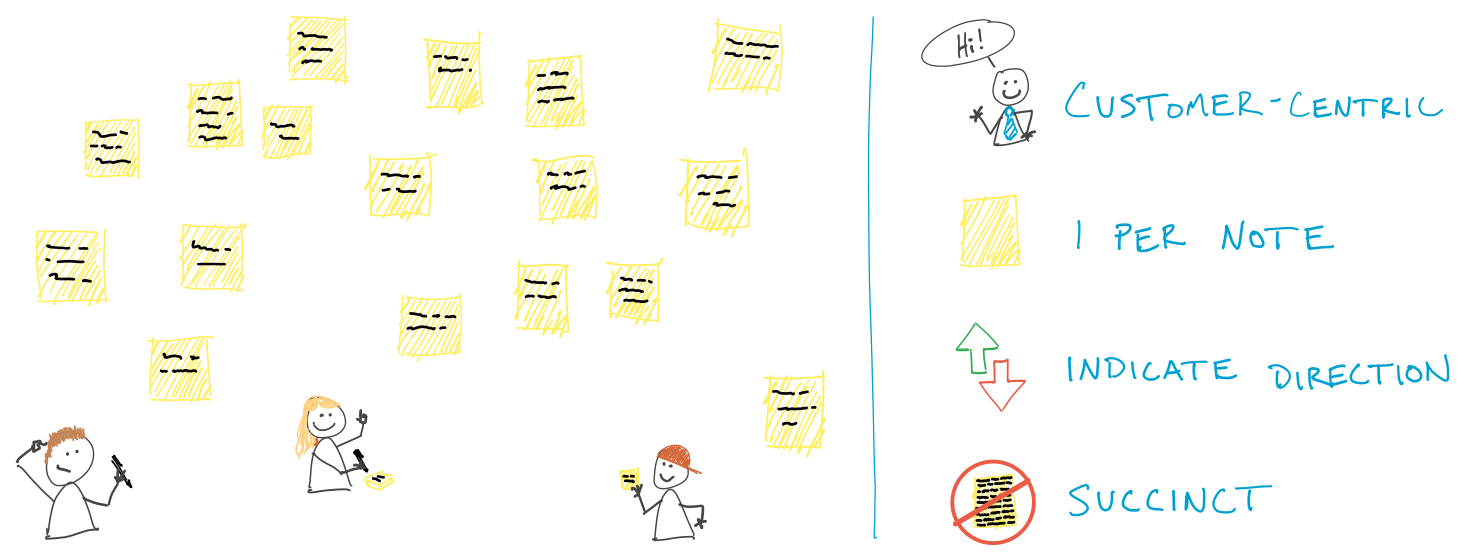
Two boards drawn in one sitting: a 2016 glass board with a role matrix of sticky notes and a gateway system sketch, and a 2018 board laying out problem and solution space with a Venn diagram of business, design and tech.
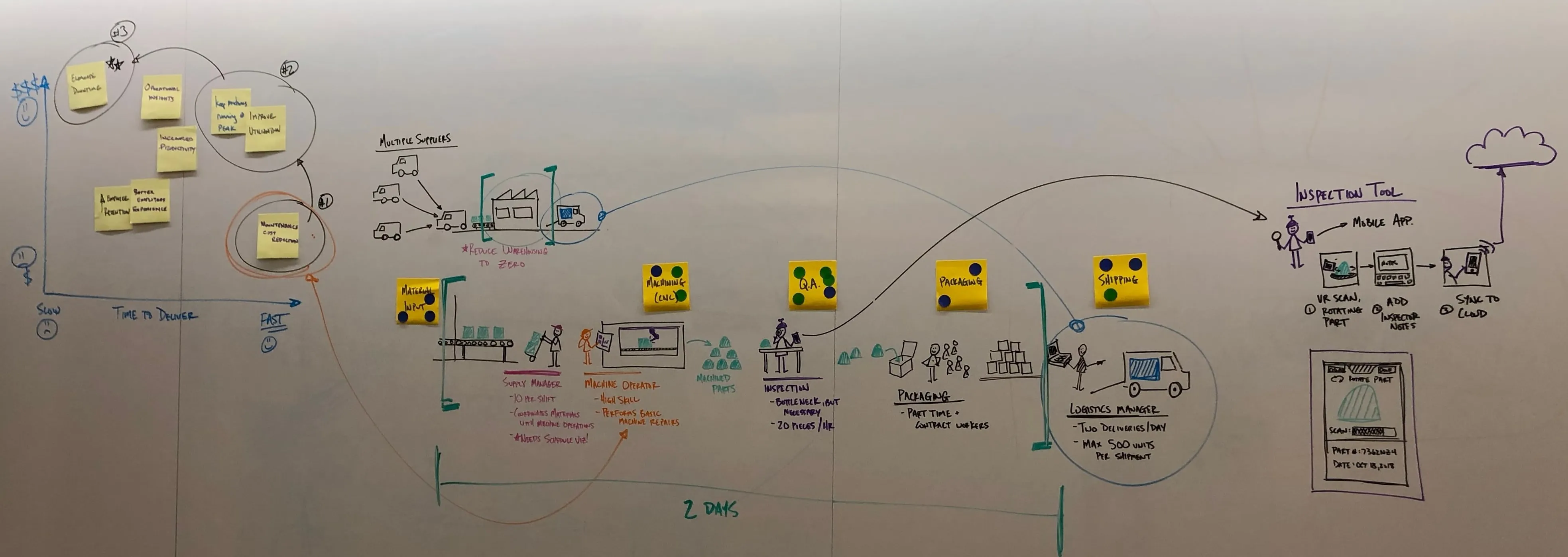
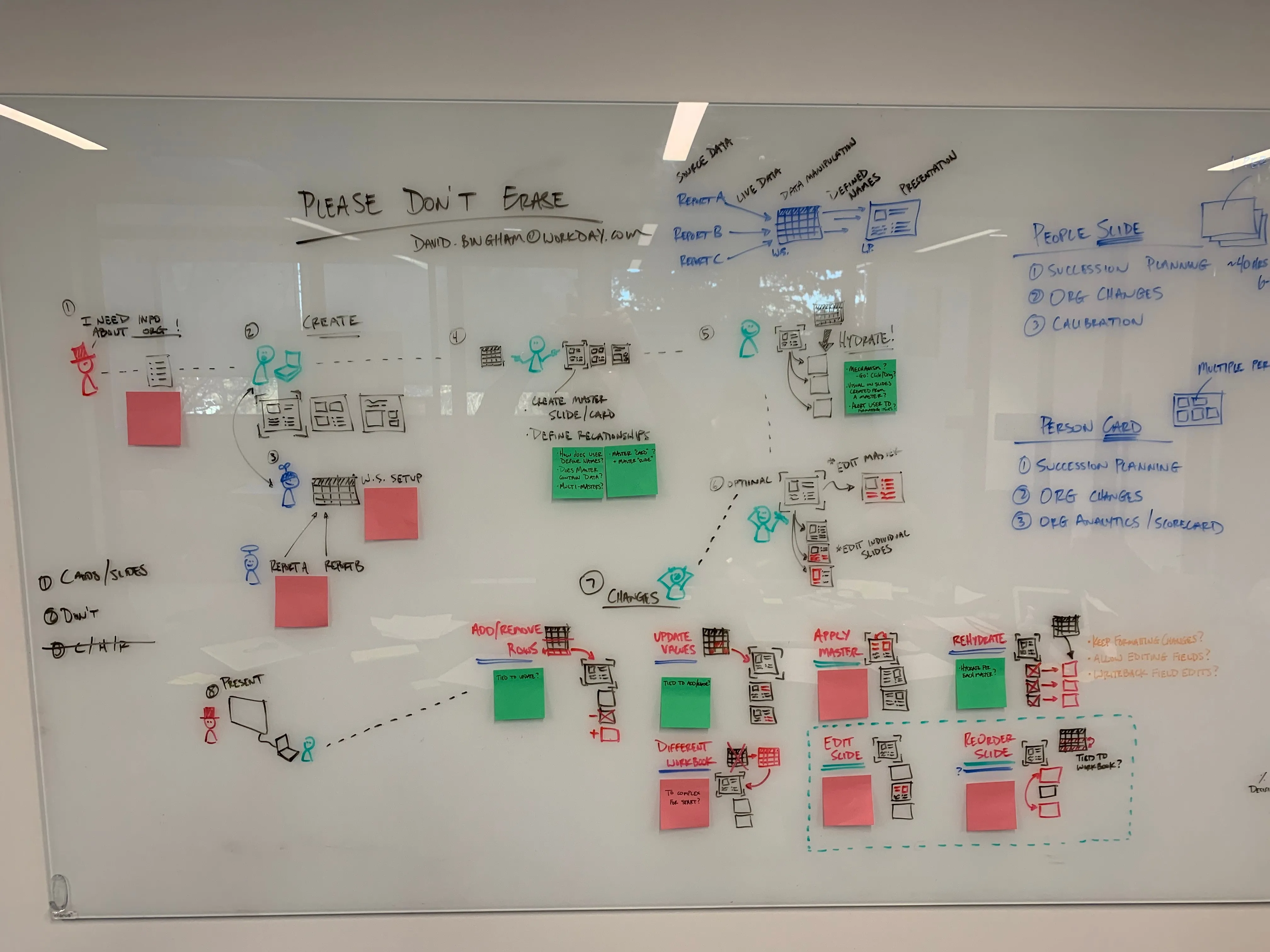
A 2018 parts inspection flow from supplier to cloud, drawn in one pass with stick figures, trucks and a factory, beside a 2020 Workday board headed Please don't erase that walks a slide-building flow step by step.
Schneider Advisor
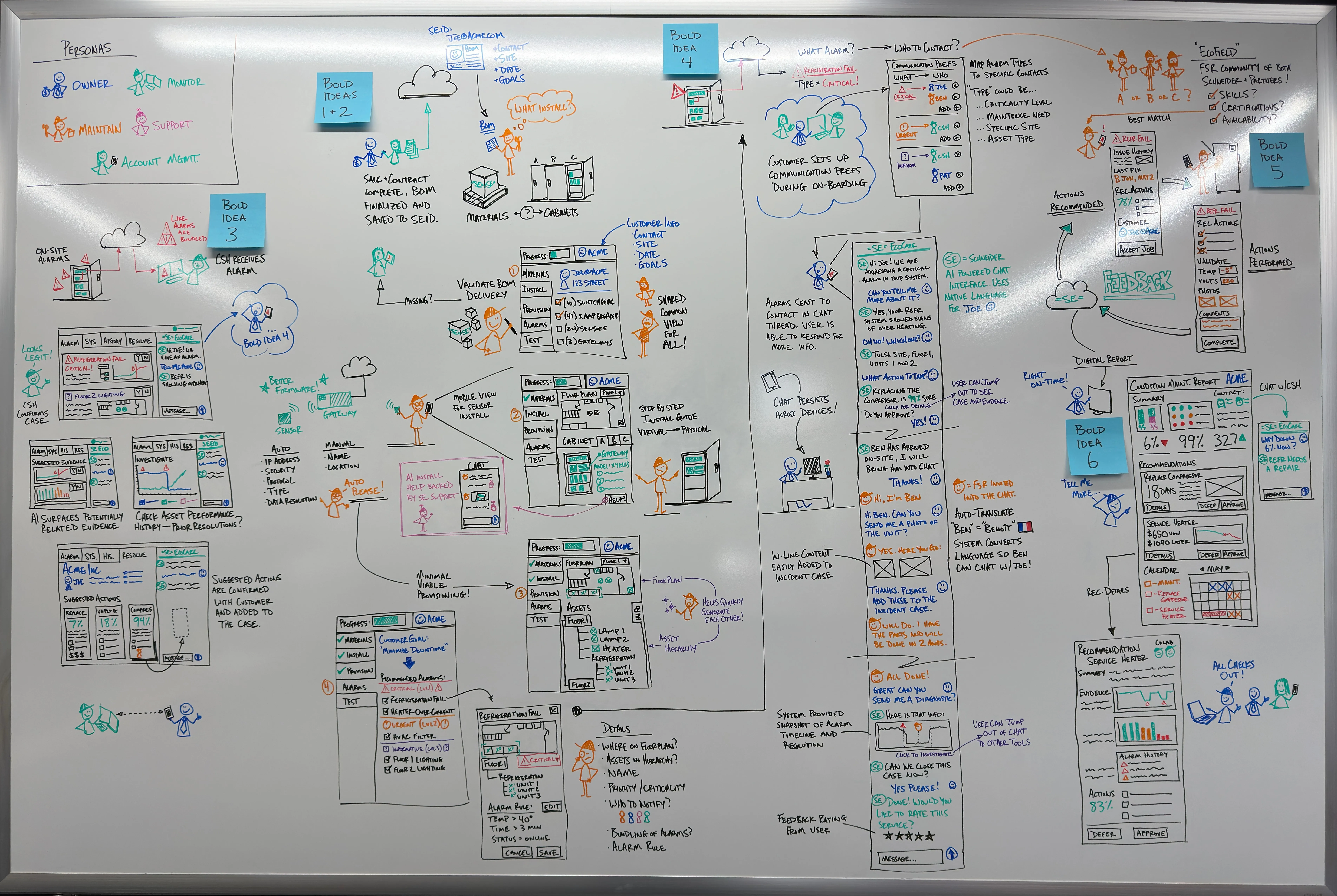
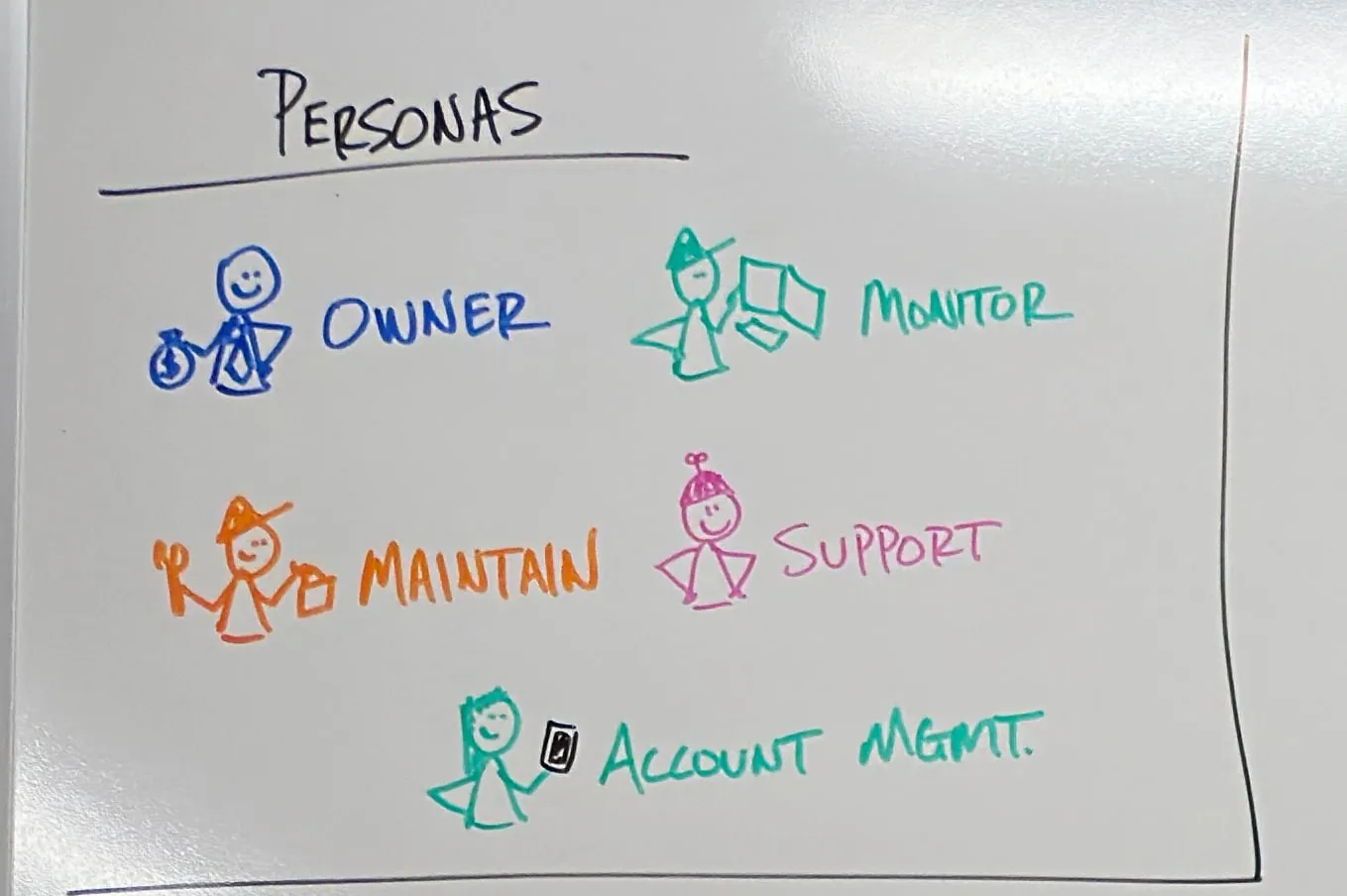
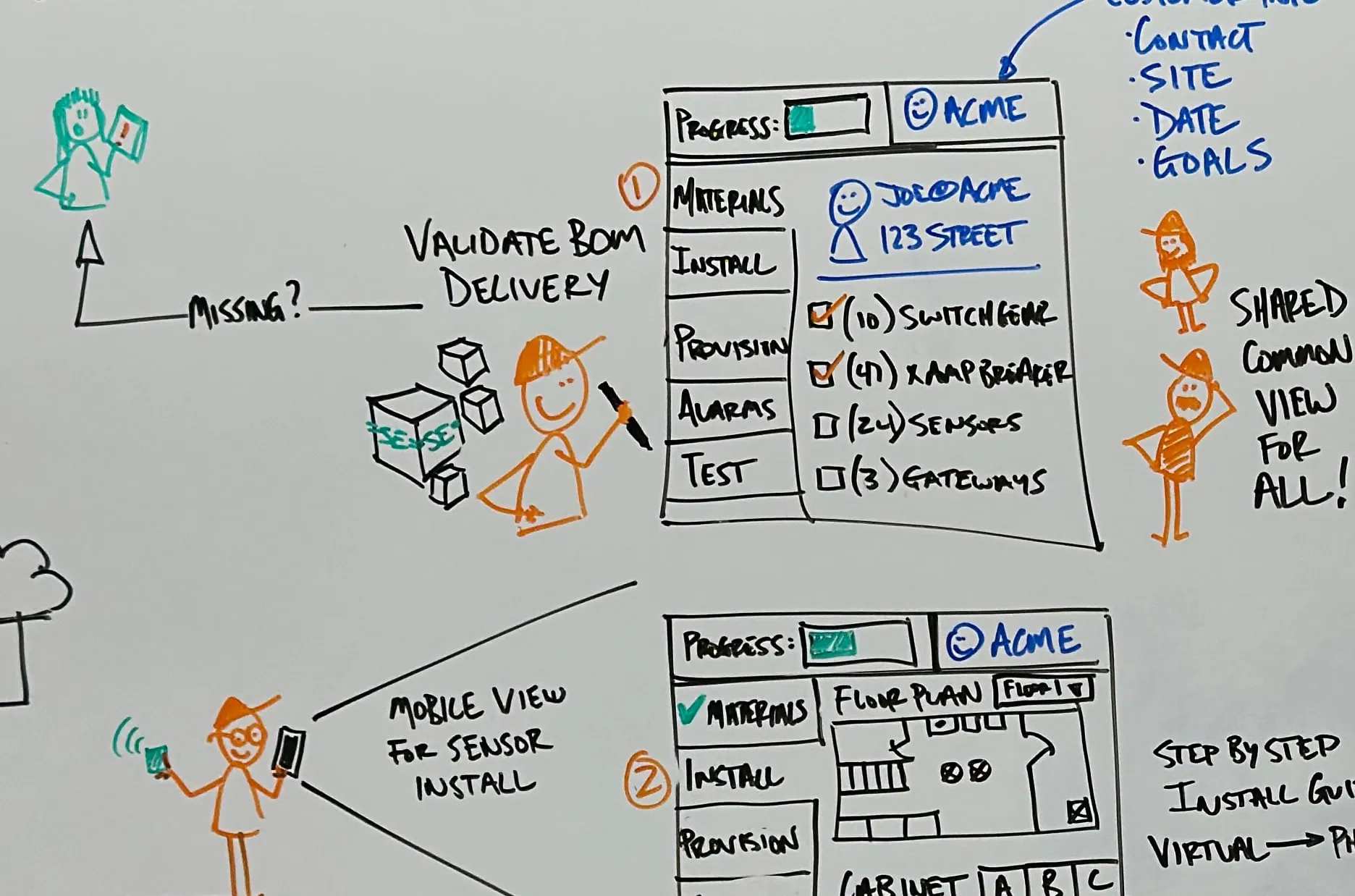
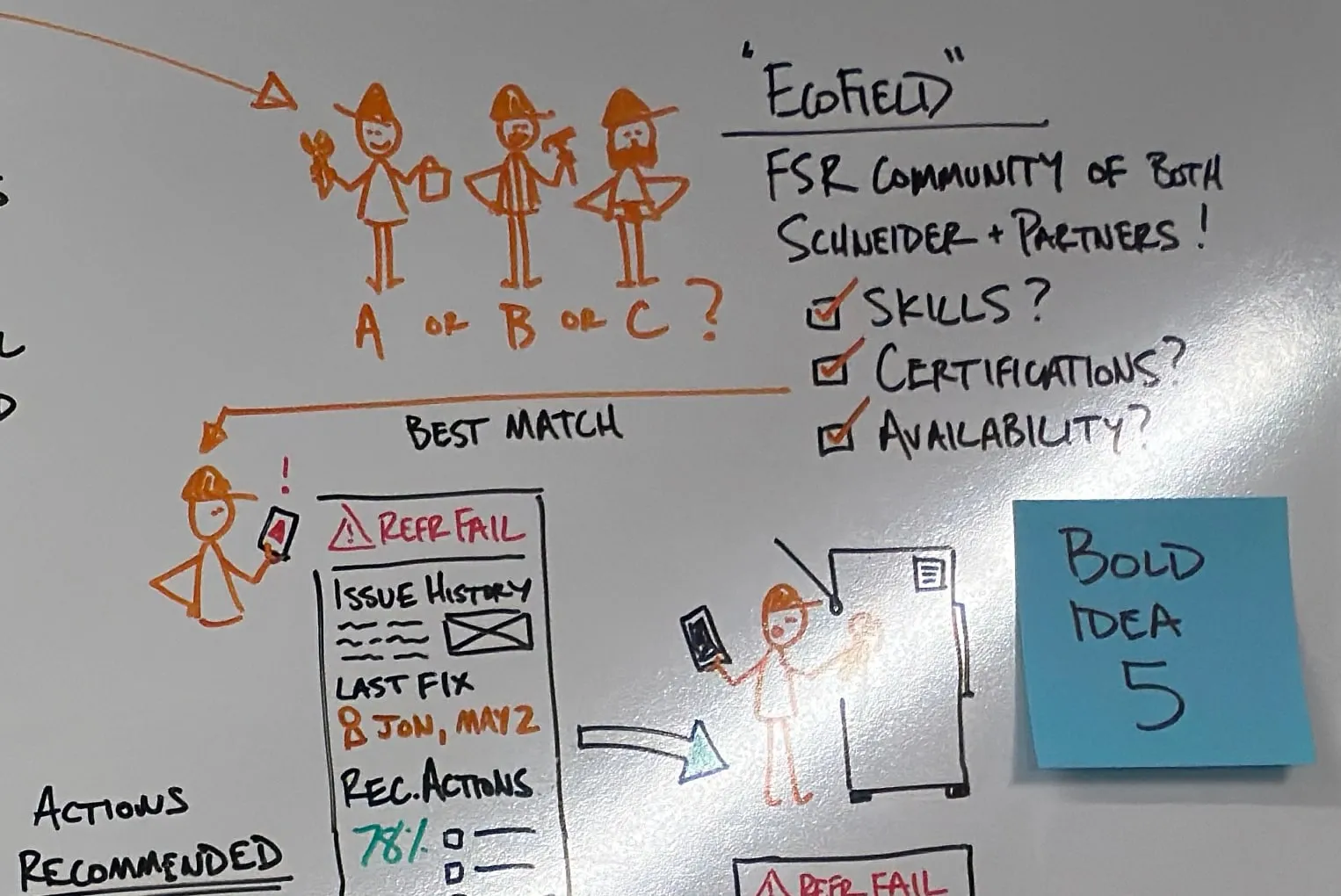
A whiteboard from March 2024 for the Schneider Advisor work, with three details pulled out: the personas, the installation flow and the partner community idea. The board holds six bold ideas in one picture so the team can argue about them together.
 123
 1
 2
 3
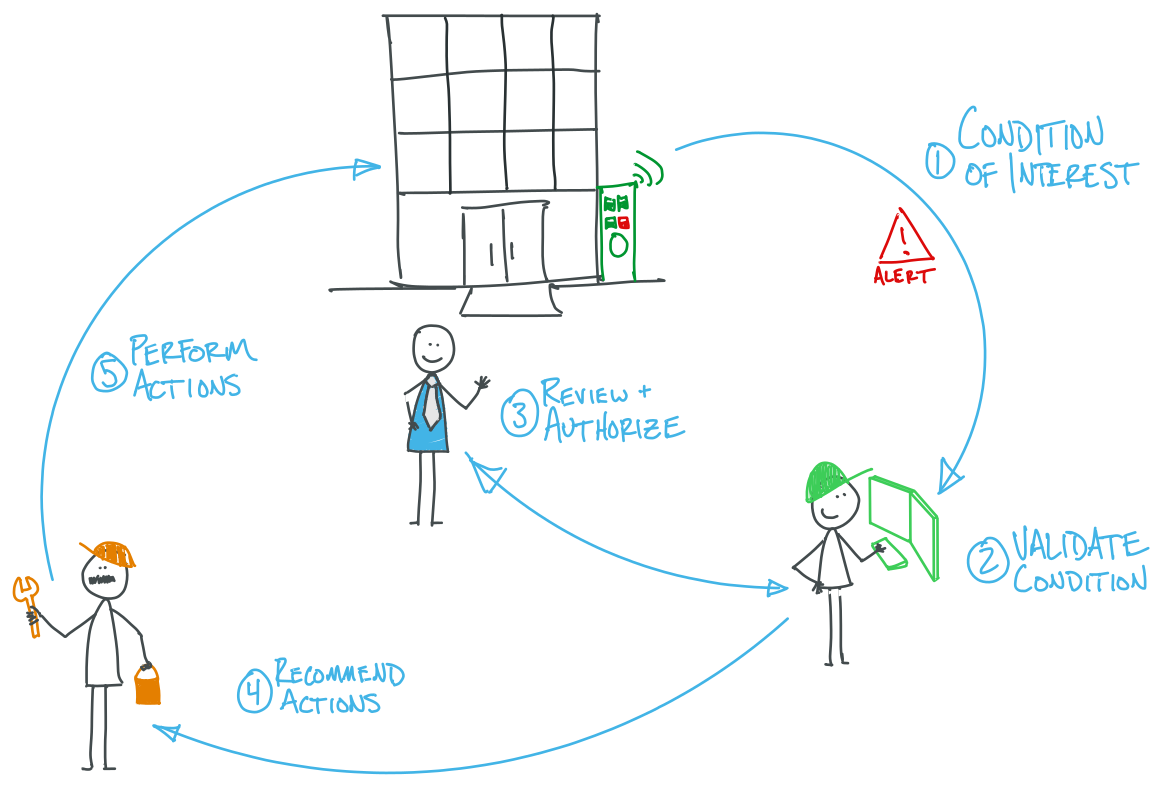
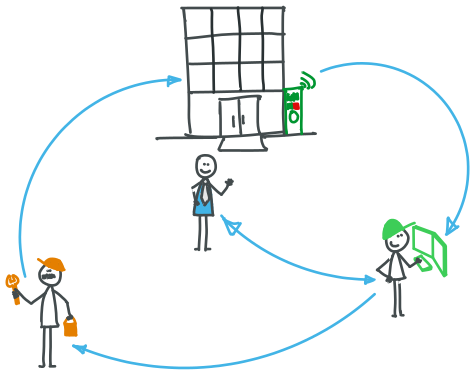
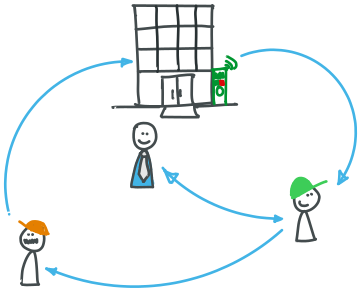
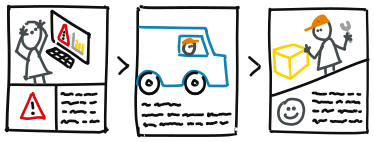
The storyline drawn from the 2024 board, as one continuous vector drawing cut into three segments: an alert leaving a building, recommendations becoming a report in a repository, and a job reaching a technician on their phone. This is the whiteboard idea redrawn clean enough to present.
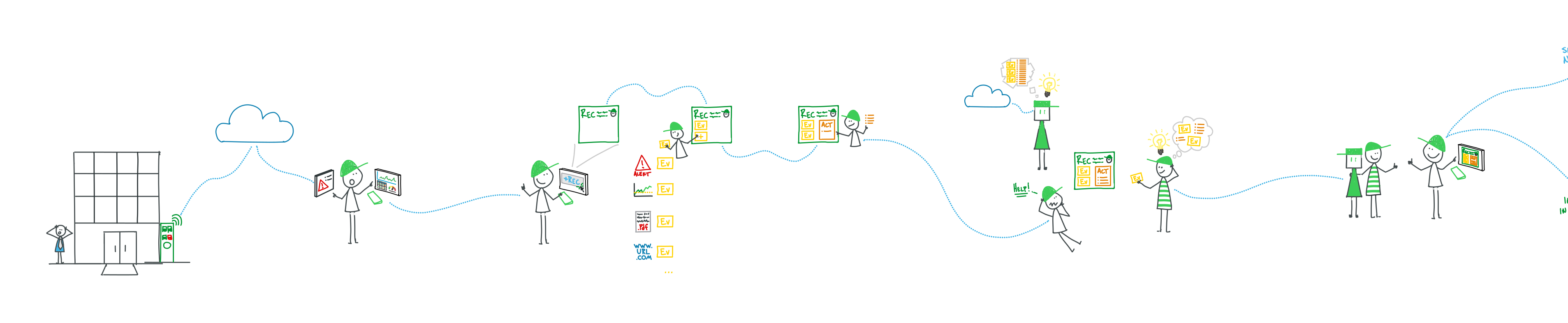
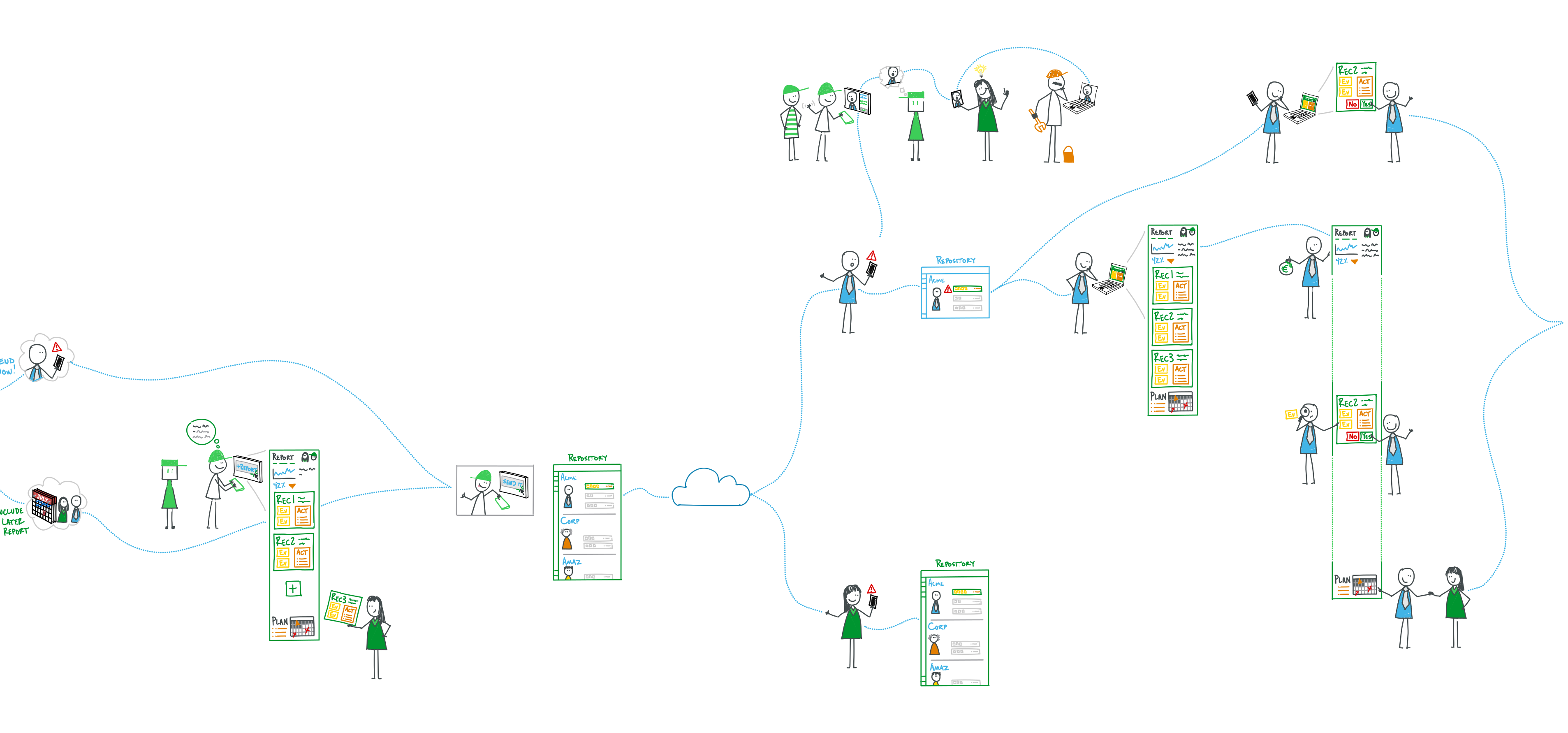
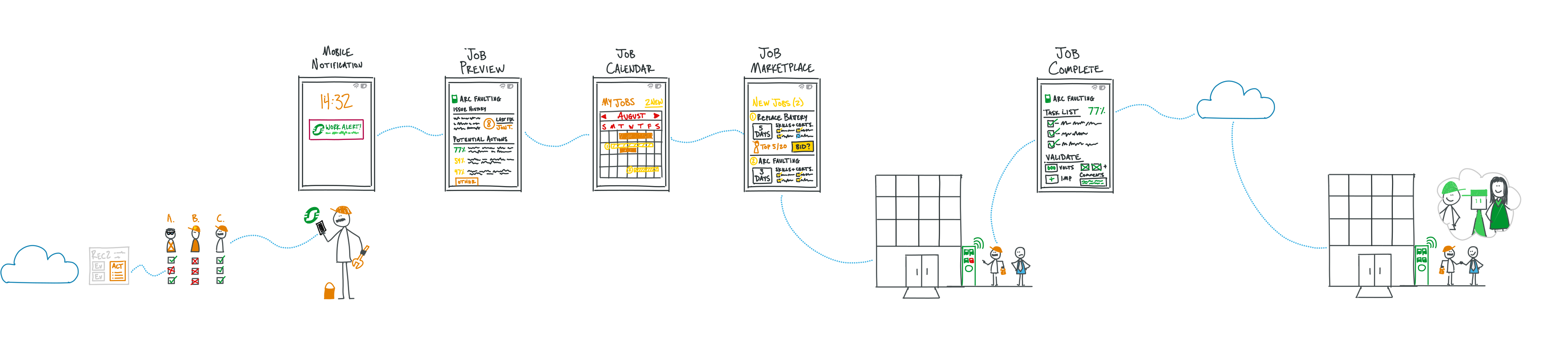
Three equal segments, left to right.
Design framework
The whiteboard on which the key moments of the product development process were first sketched at Workday, with a note asking colleagues not to erase it. It is the rough draft of the poster that follows.
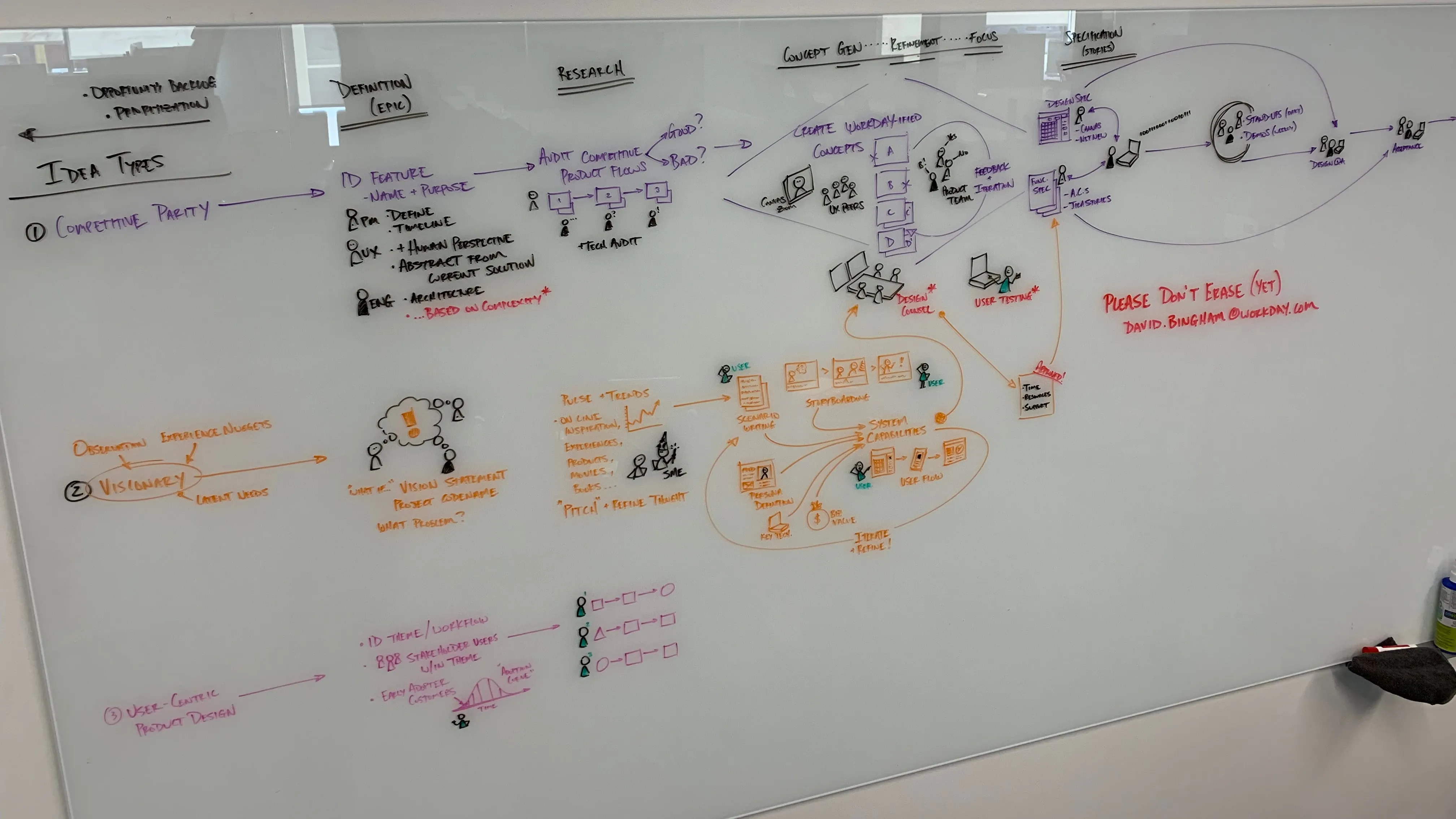
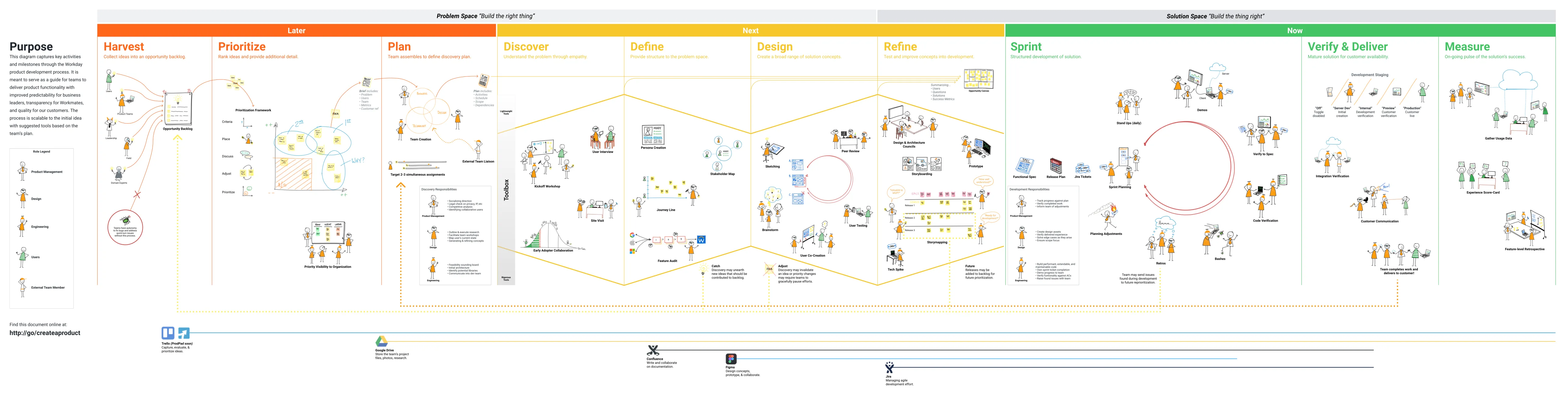
The key moments and rituals across the product development process were sketched then formally drawn into a large-format poster displayed in multiple office locations.
The Product Design Framework poster: the whole product development process from Harvest to Measure drawn end to end in the notation, with a role legend and a toolbox. It was printed large and hung in several offices.
Recreational living
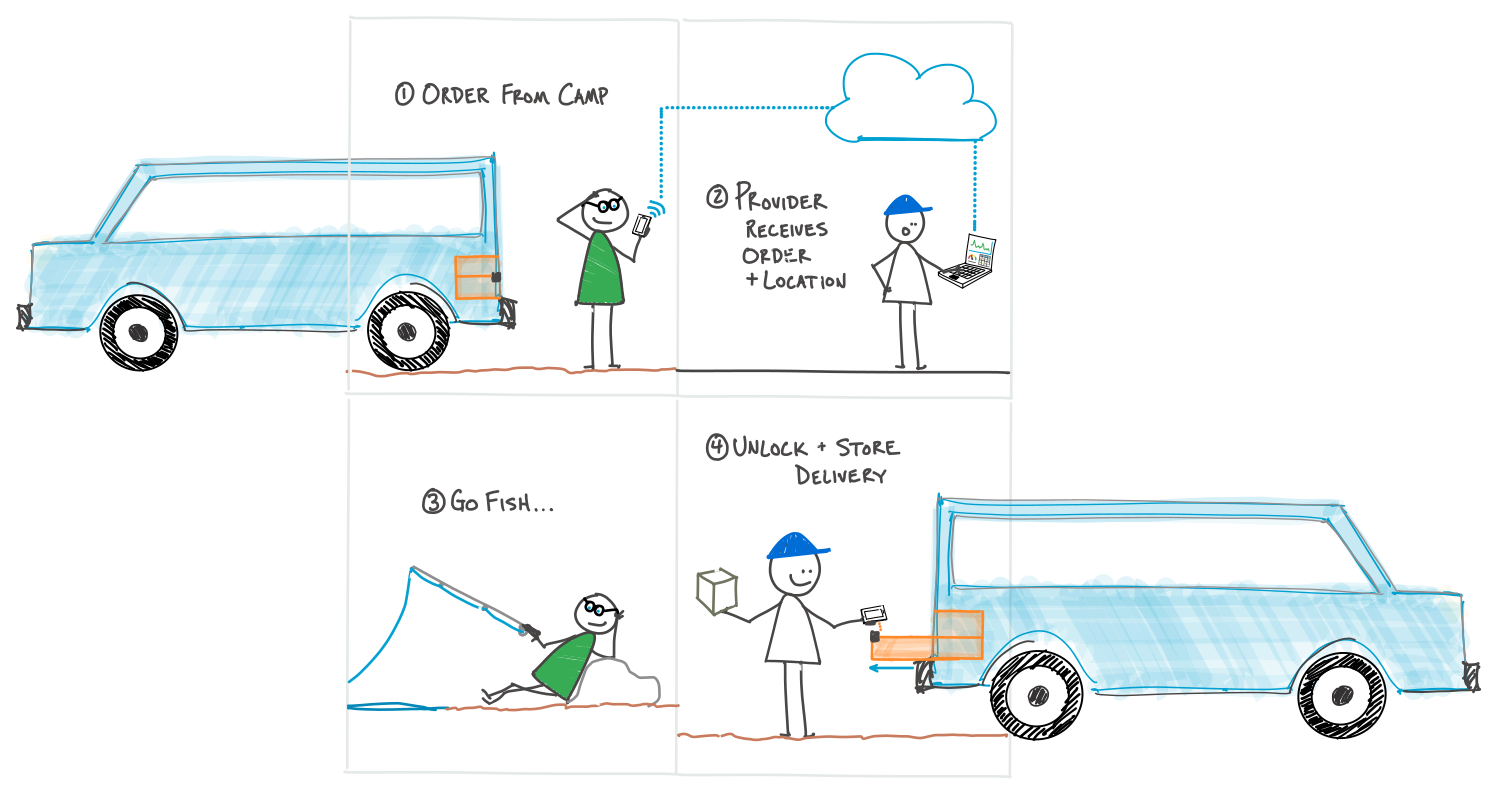
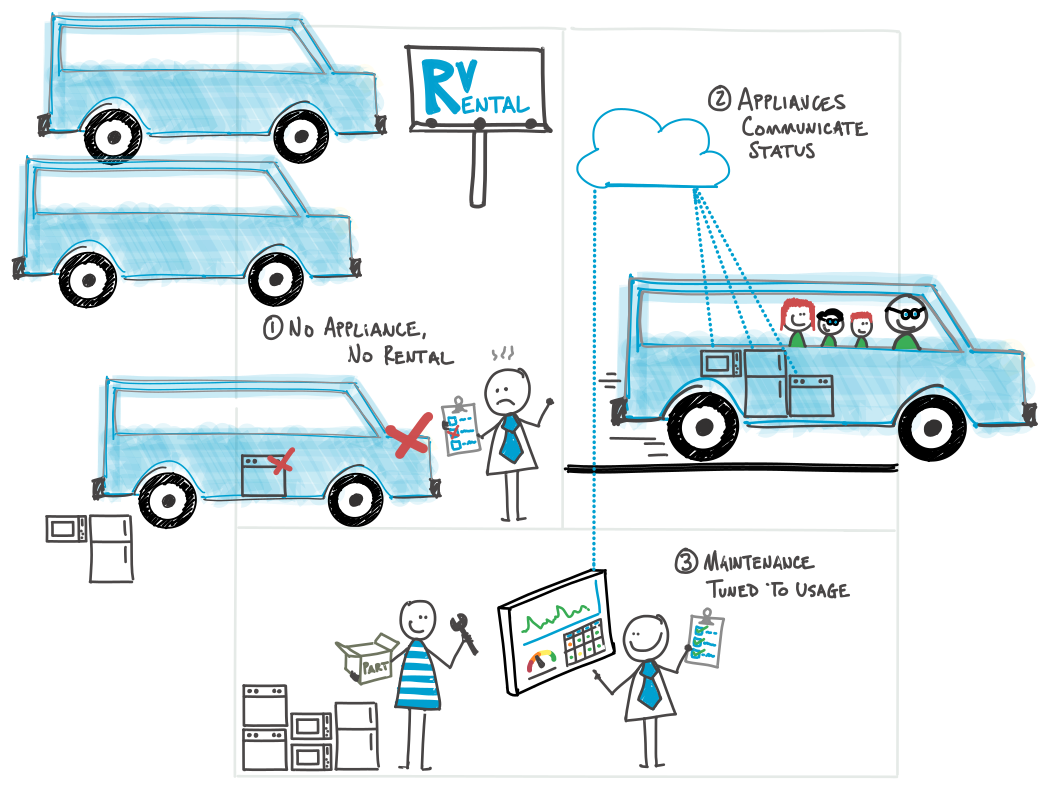
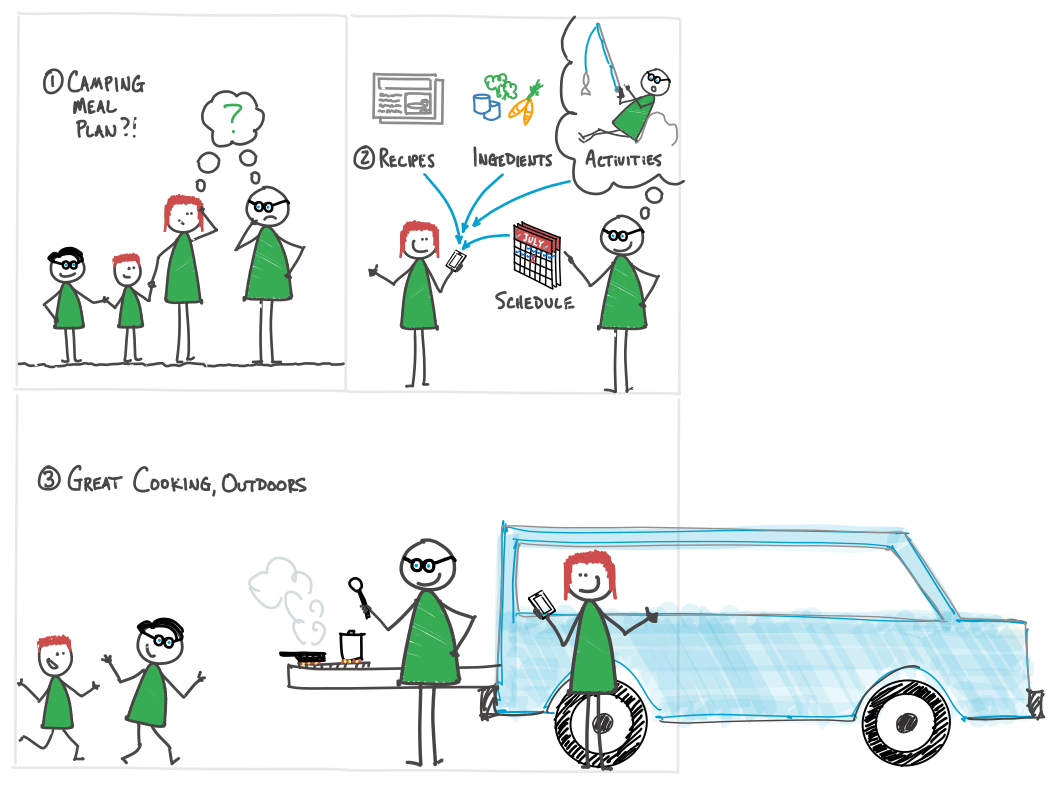
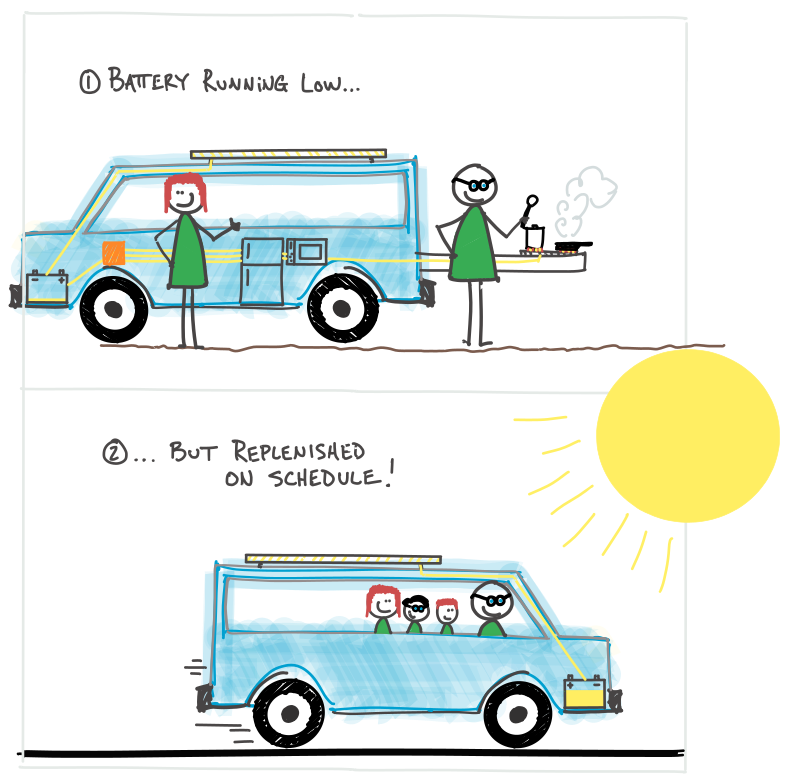
Four boards for the Rec Living concept, covering delivery, maintenance, meal planning and solar charge. The same figures and objects are used to storyboard a consumer product rather than an enterprise one.
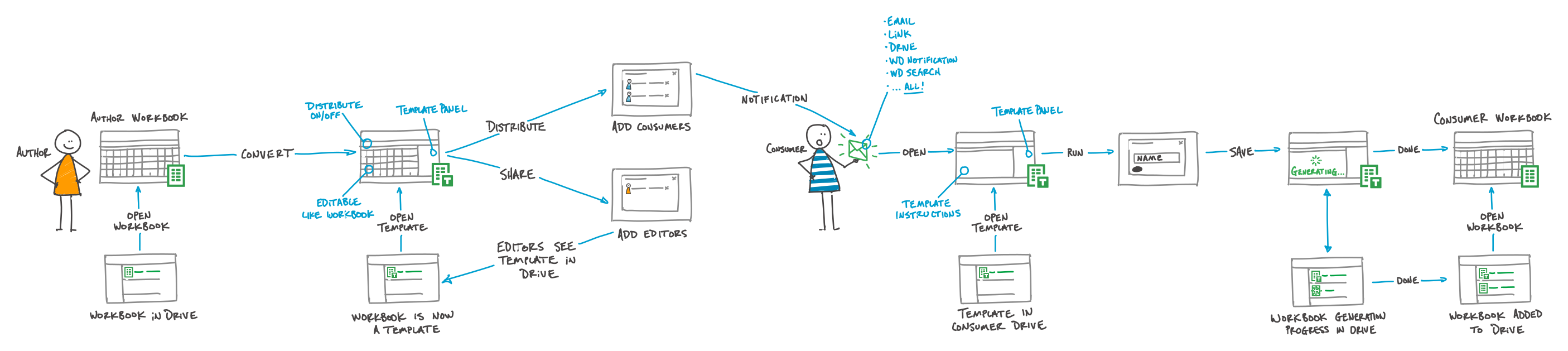
Workday
A product diagram from my time at Workday explaining how an author converts a workbook into a template. It shows the notation doing everyday product work rather than storytelling.
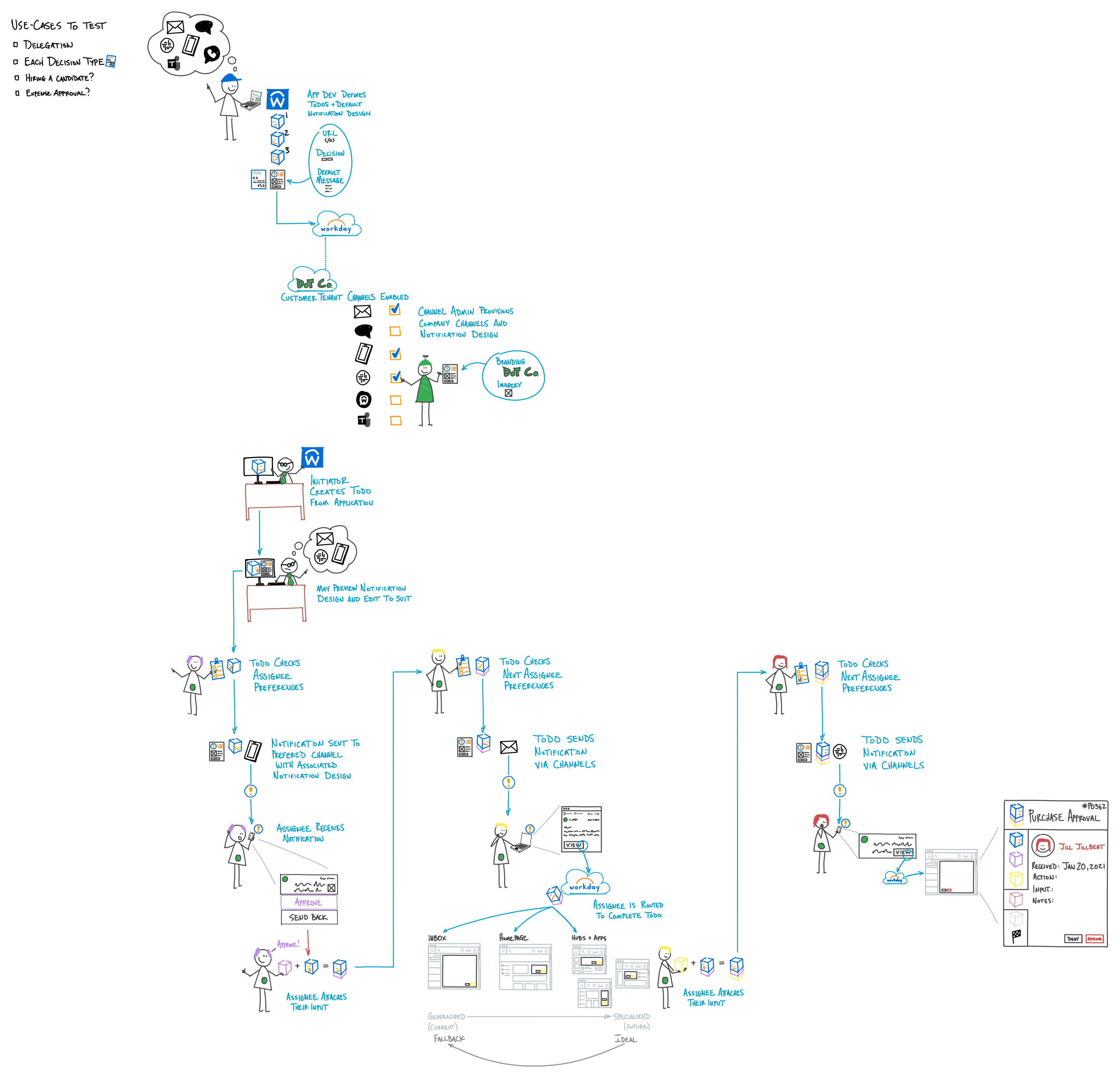
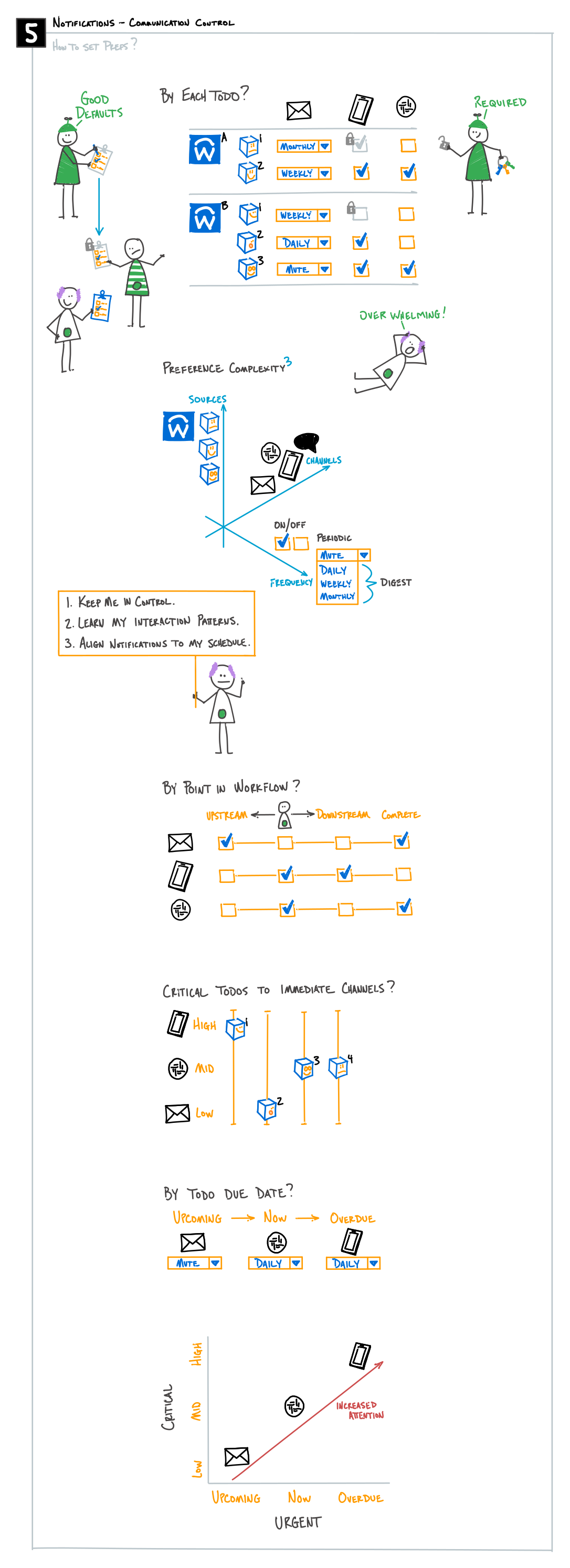
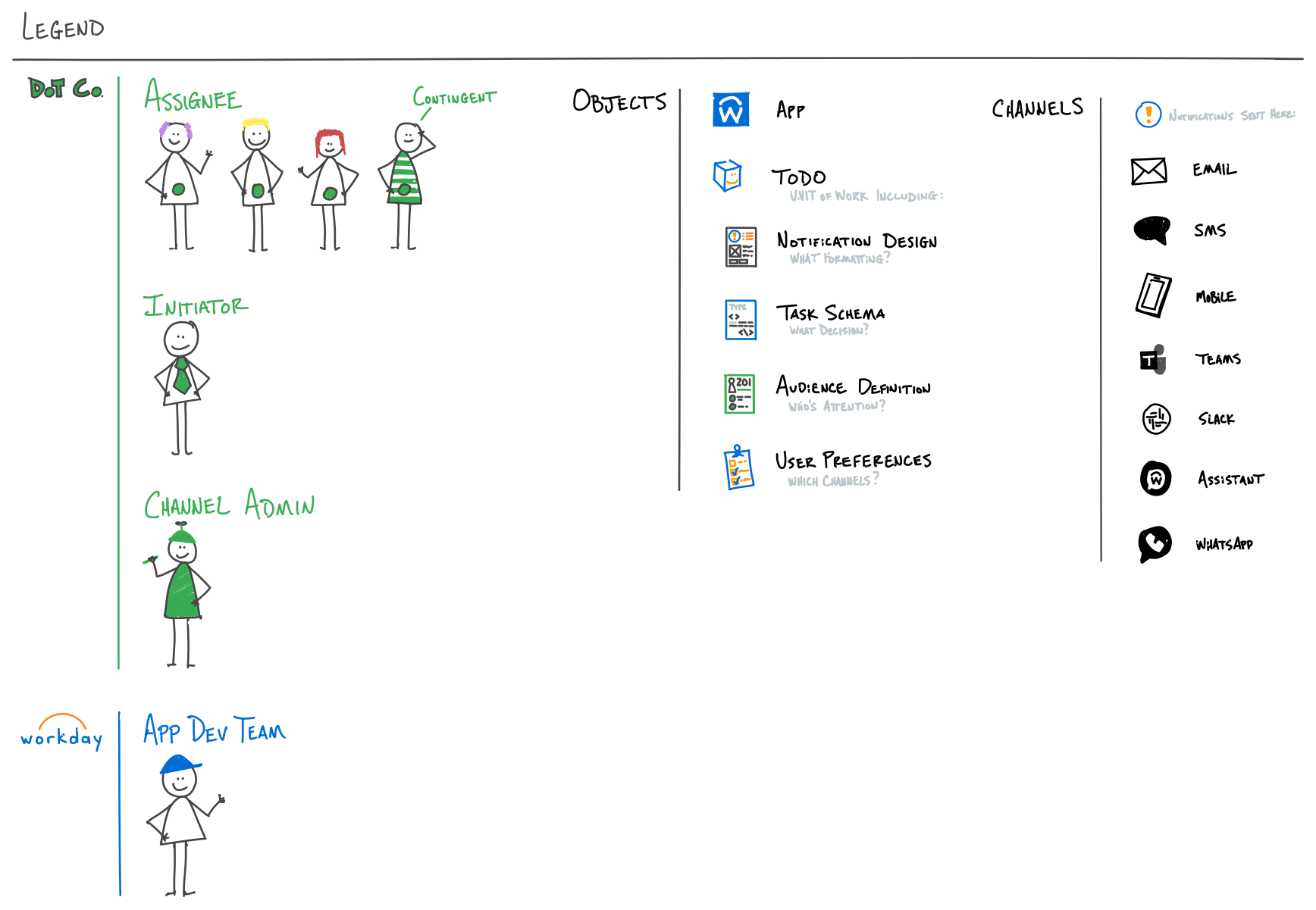
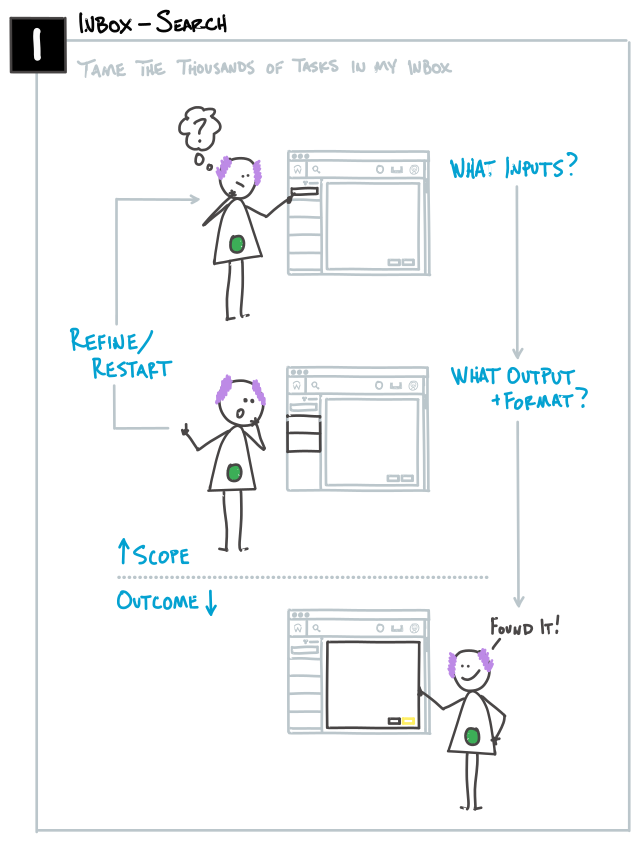
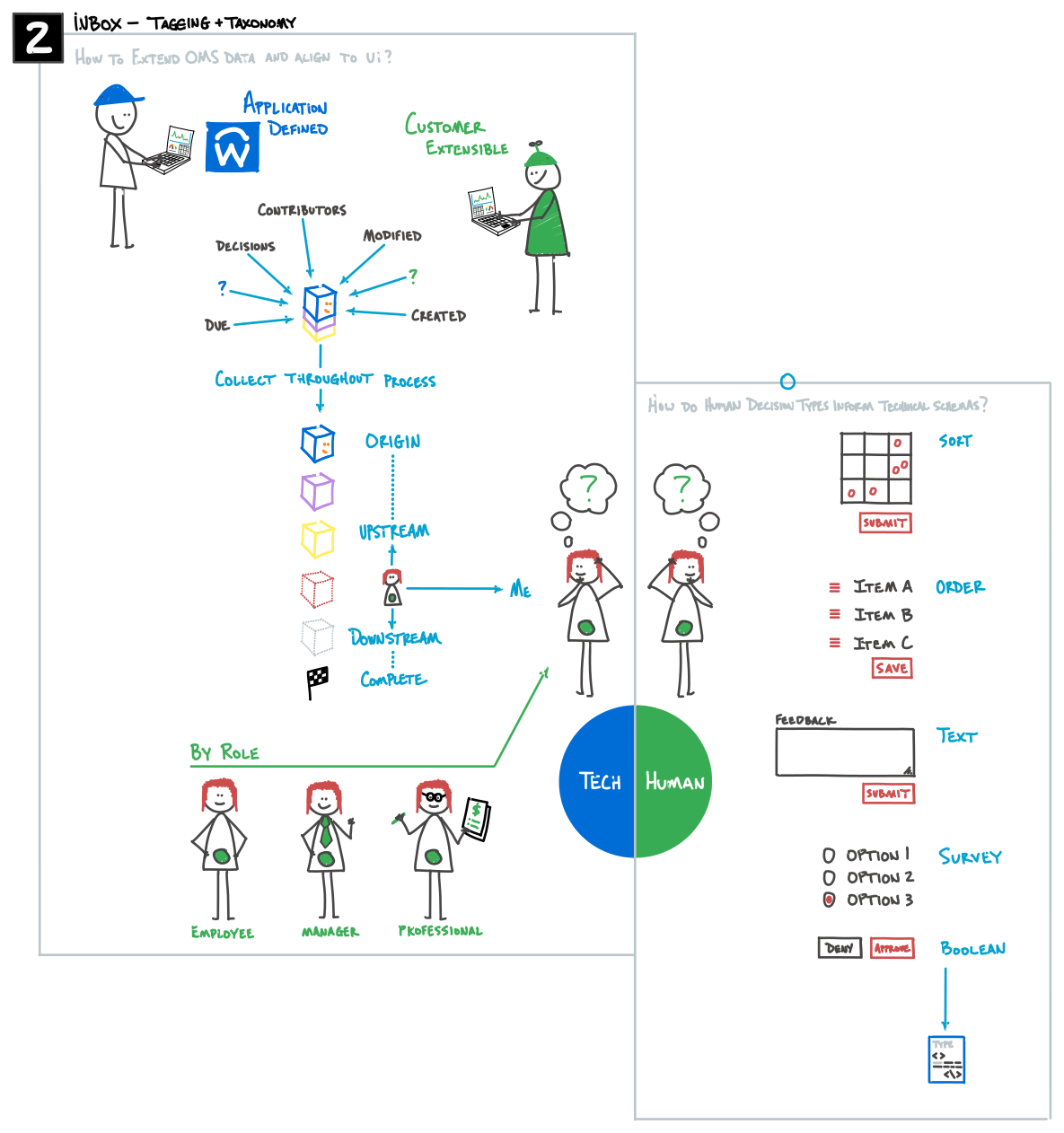
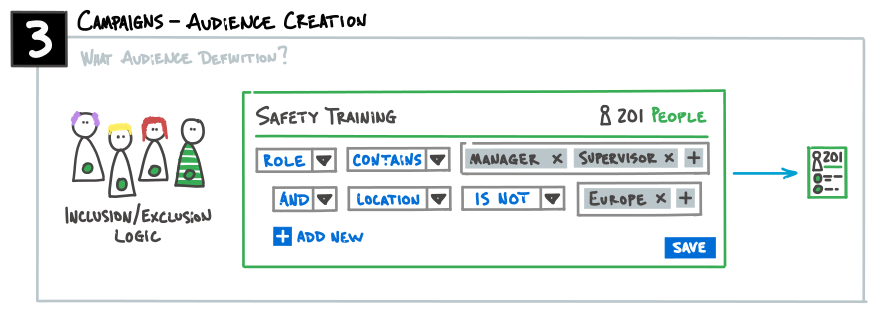
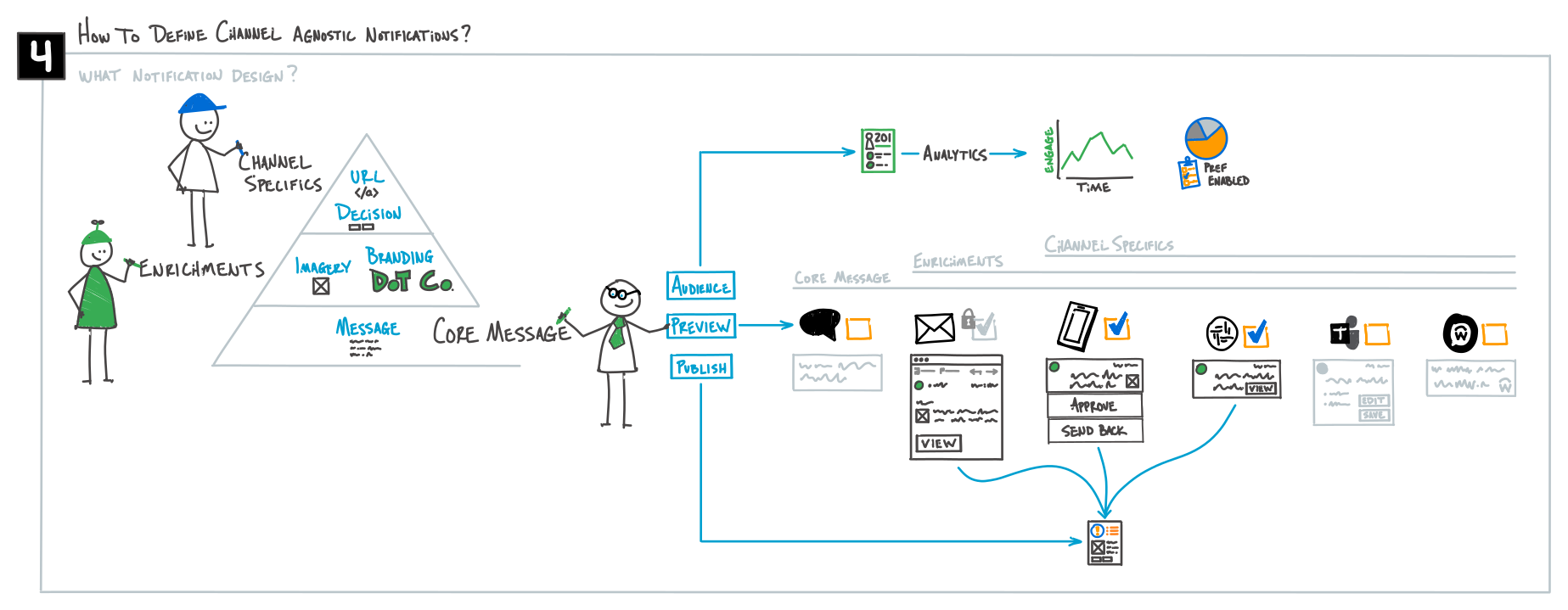
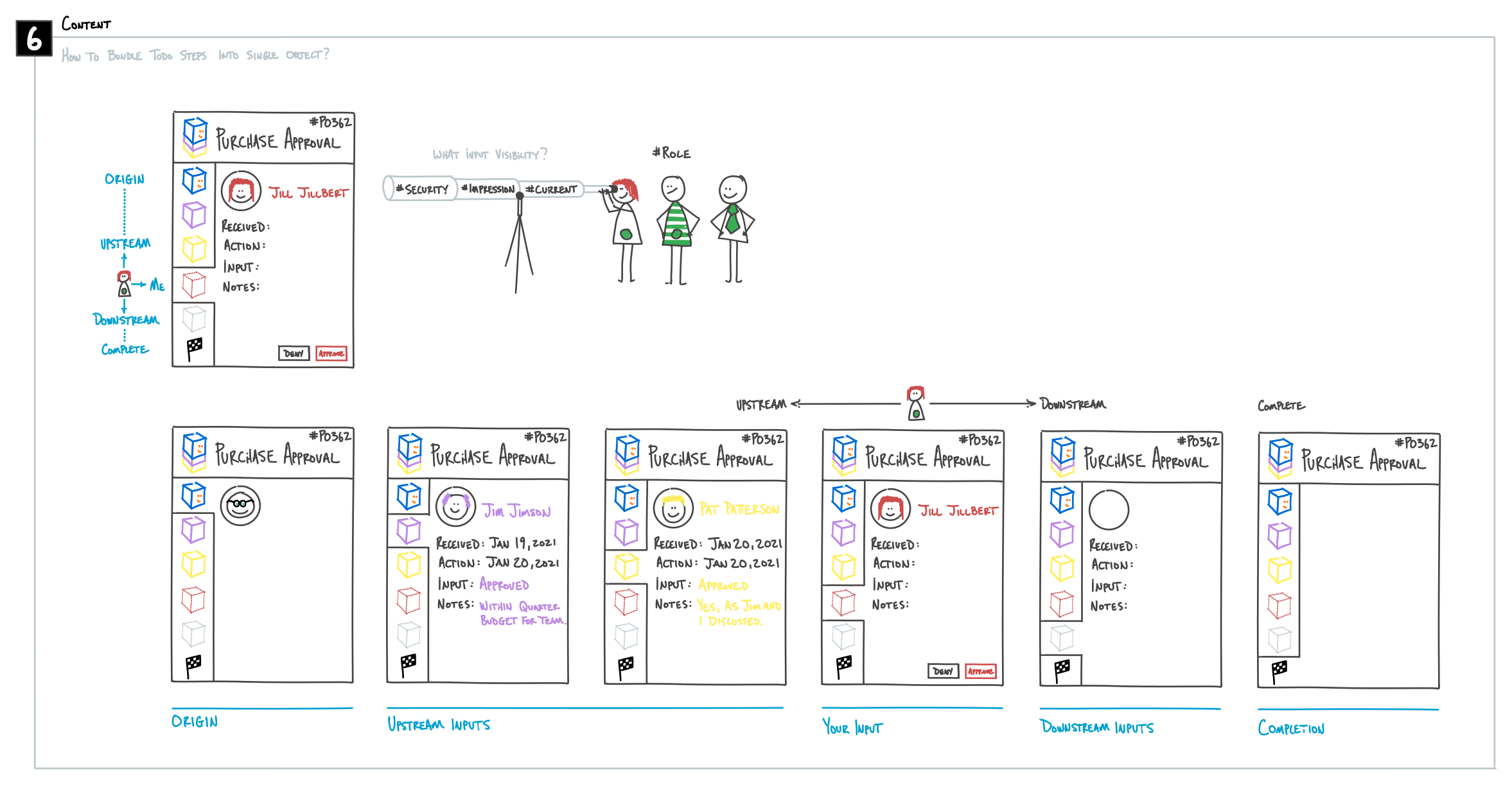
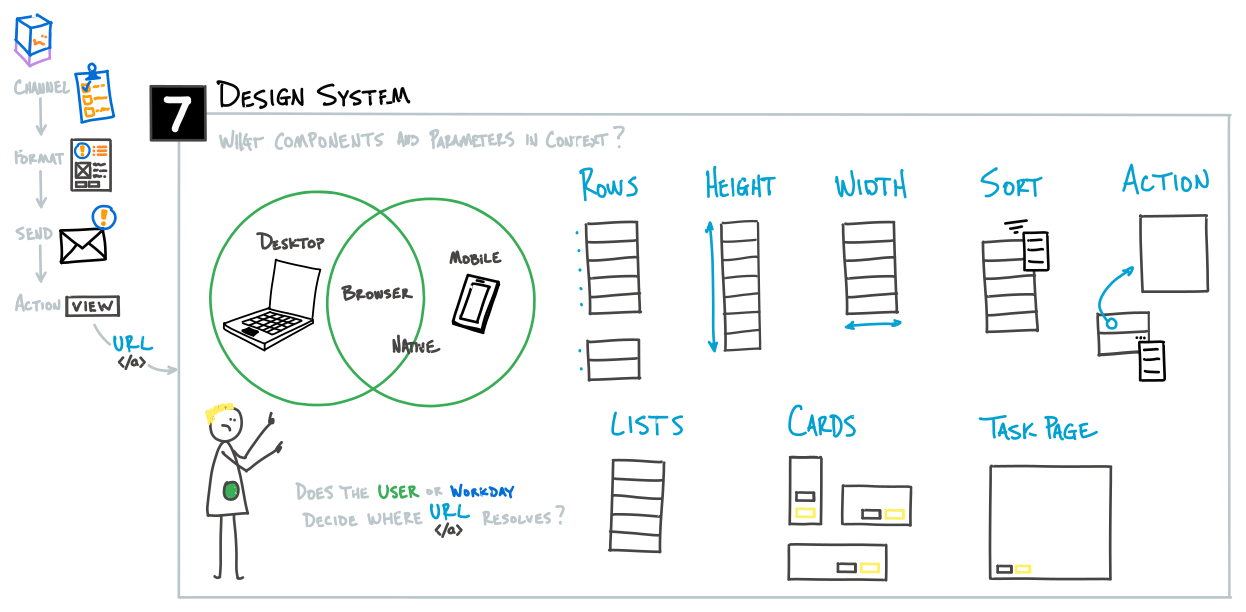
Eight boards drawn for the Workday Inbox and notifications work, in order from the overall flow and legend through search, tagging, audiences, notifications and their controls, content and the design system. Drawn to walk a team through a feature area end to end.
Diagrams
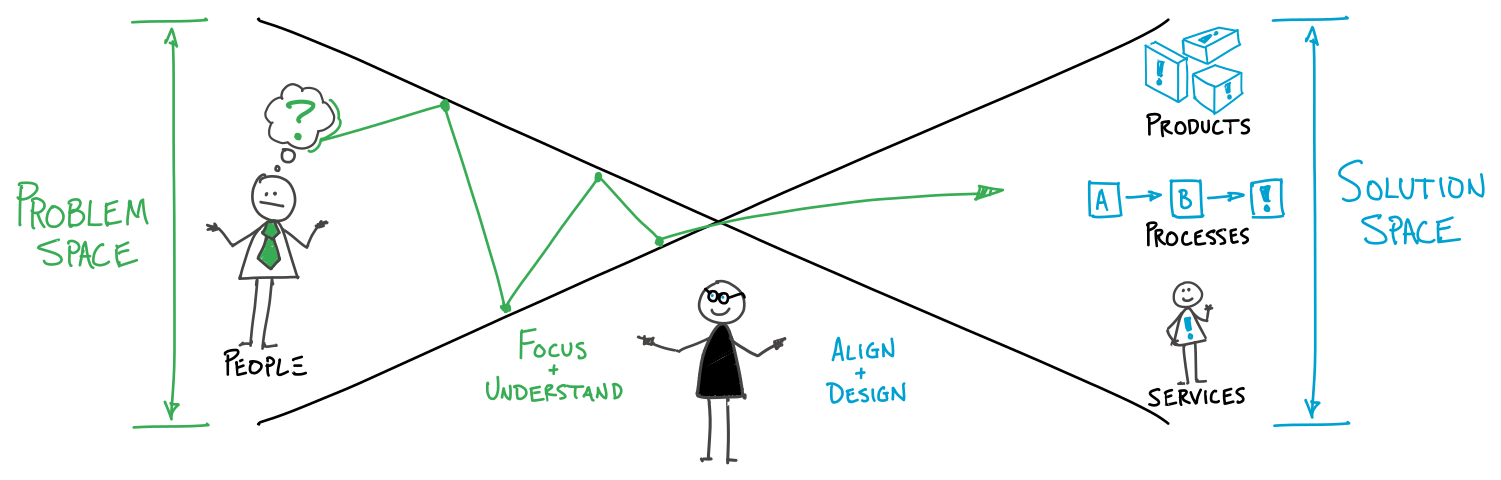
A designer leading people from a problem space, through focusing and understanding, to a solution space of products, processes, and services, aligned and designed.
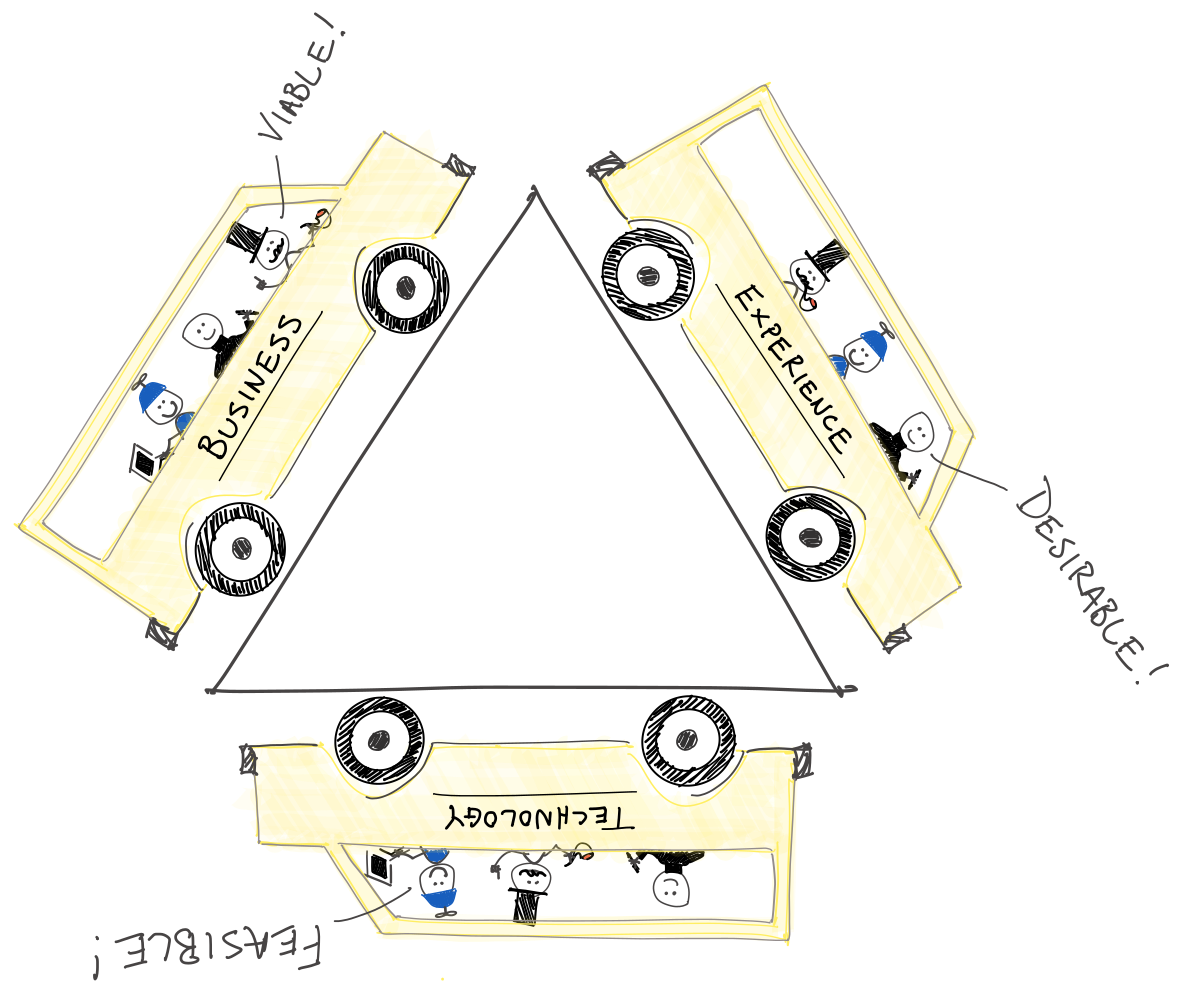
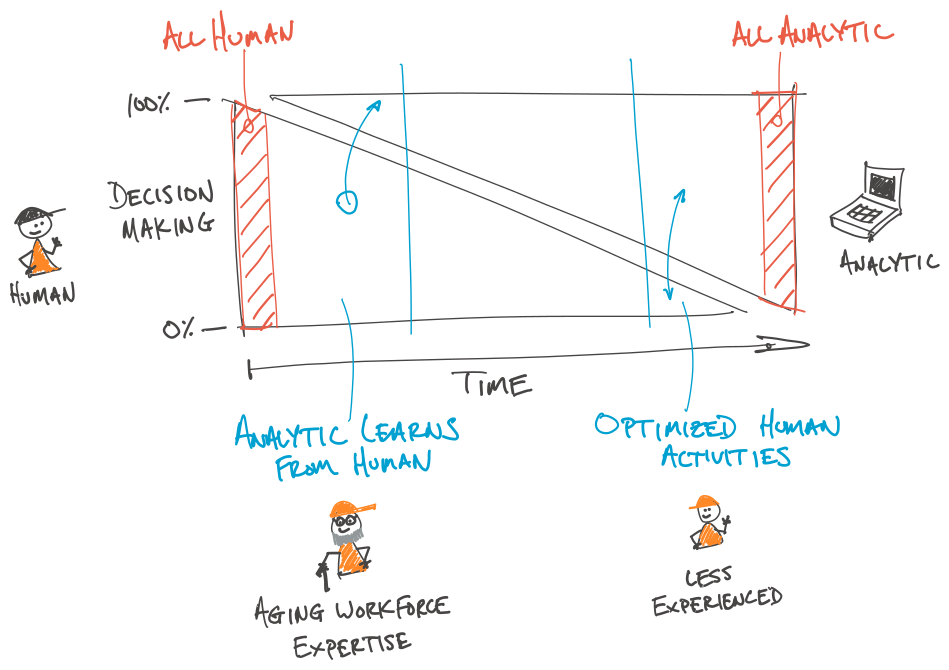
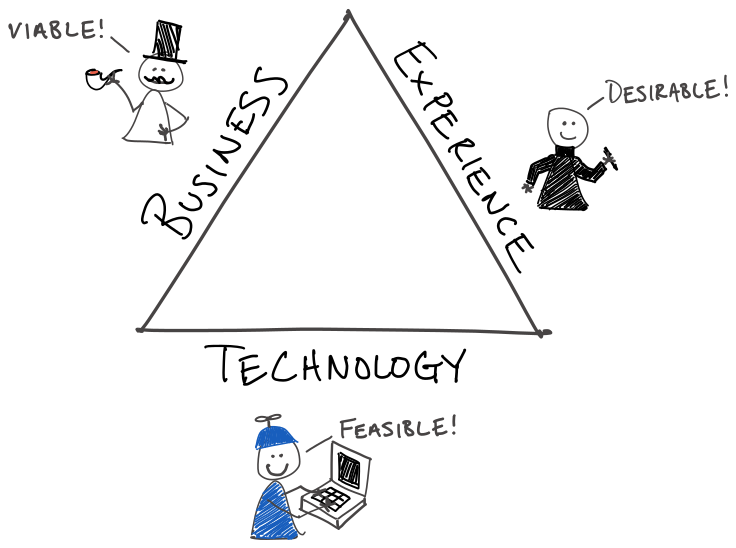
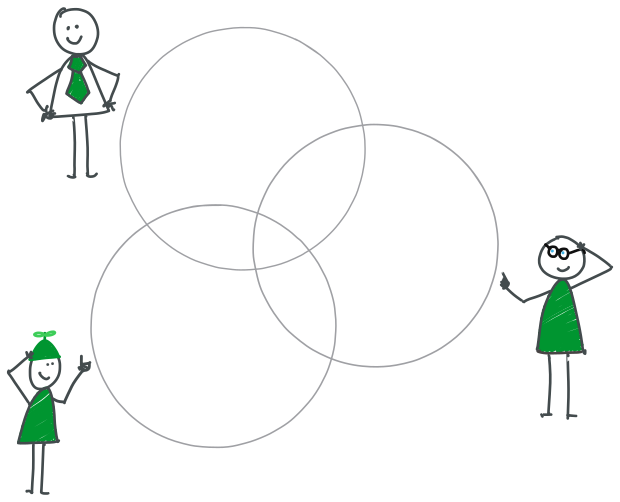
Two diagrams side by side: decision making shifting over time from 100% human to 100% analytic, the system learning from an aging workforce and then supporting the less experienced many; and the overlap of business, design, and technology, with business challenges and enabling capabilities on either side.
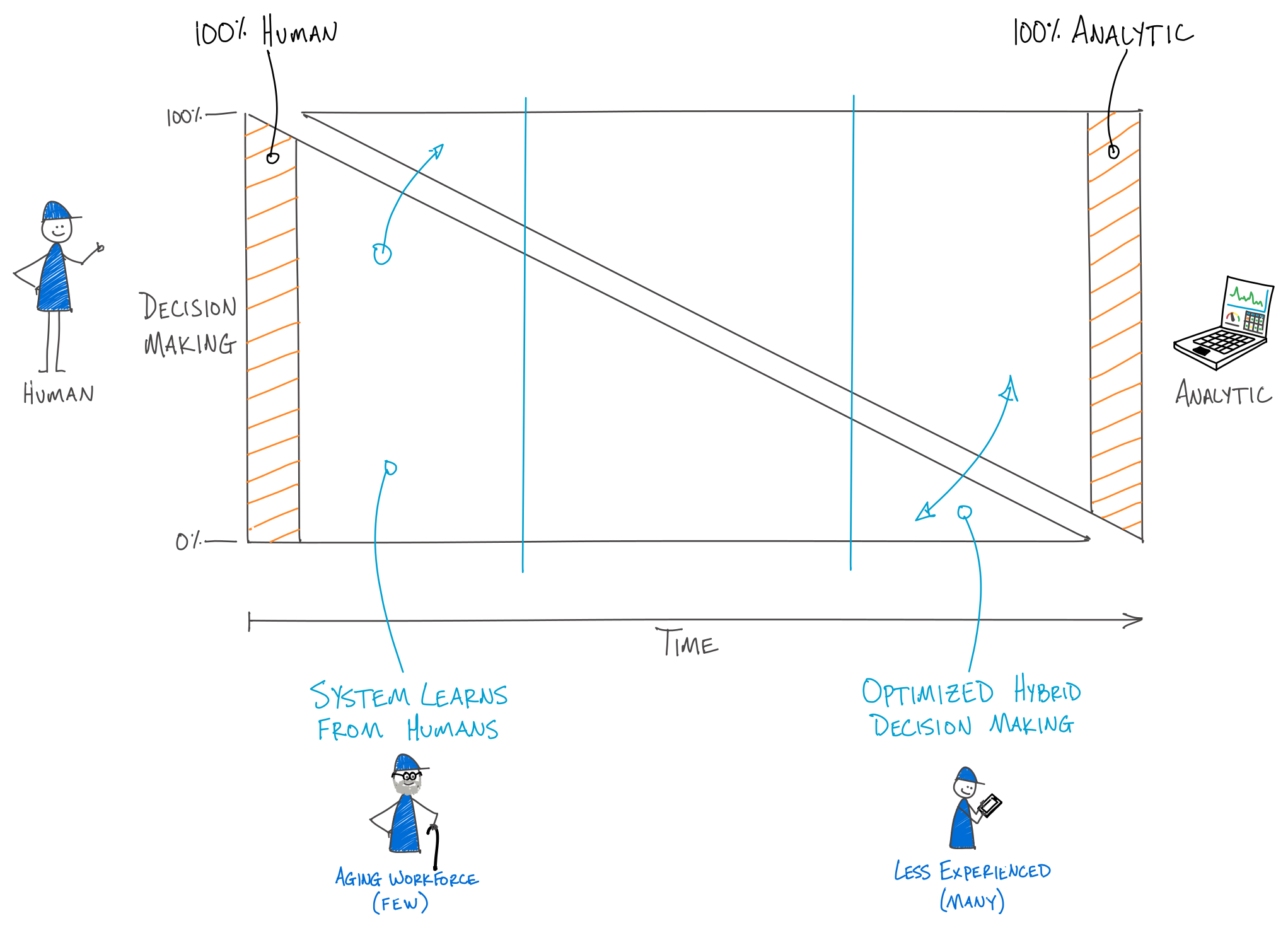
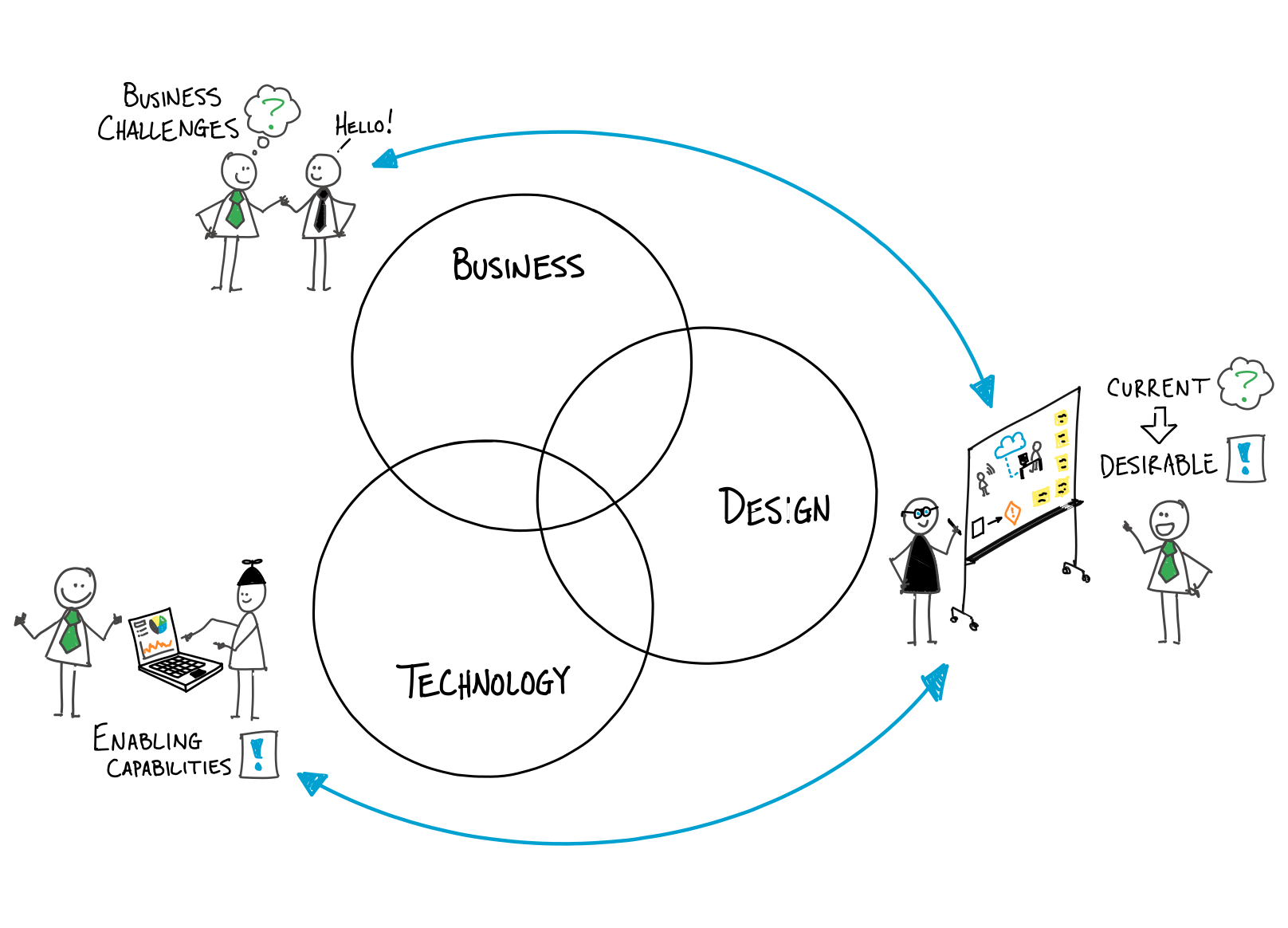
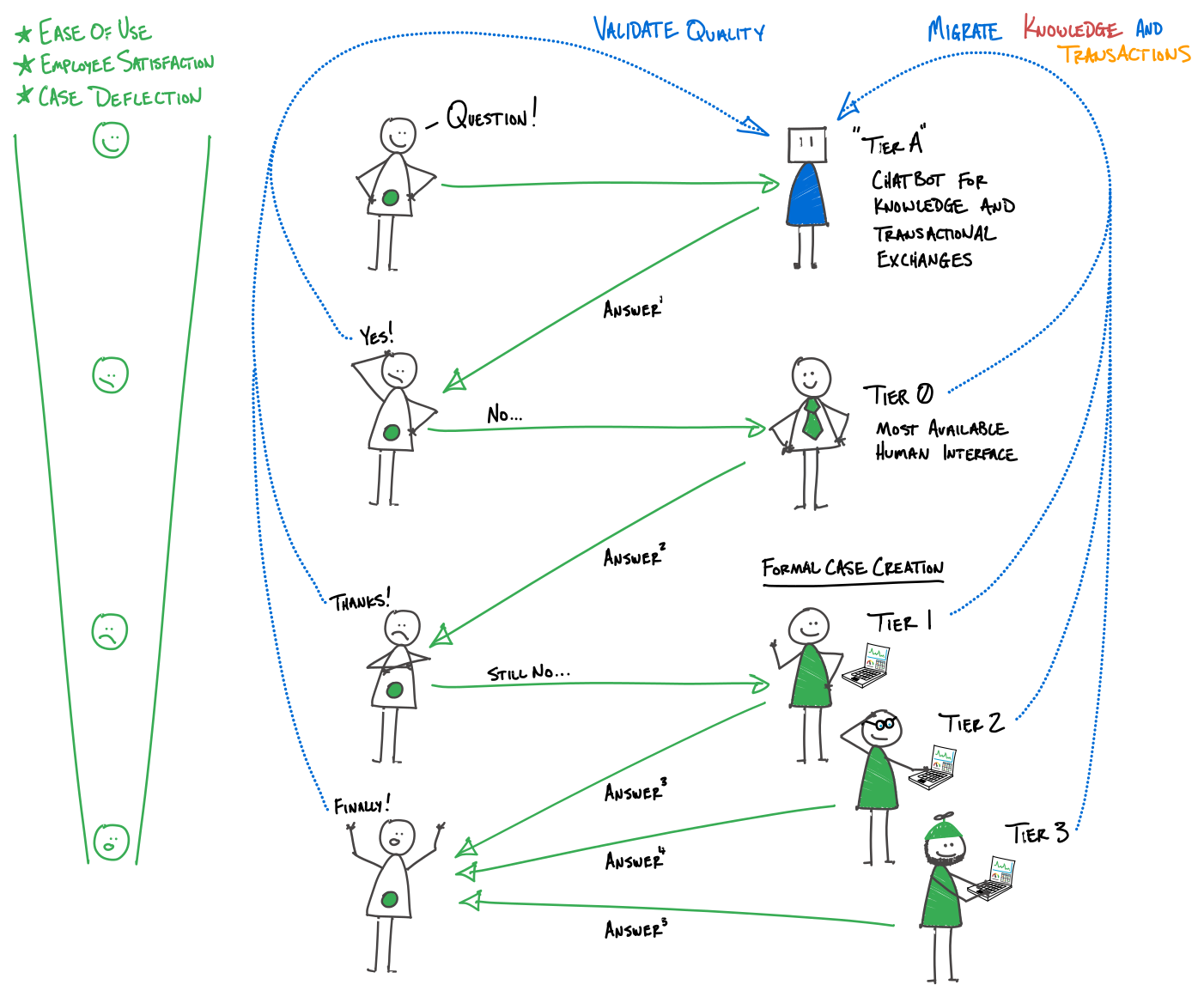
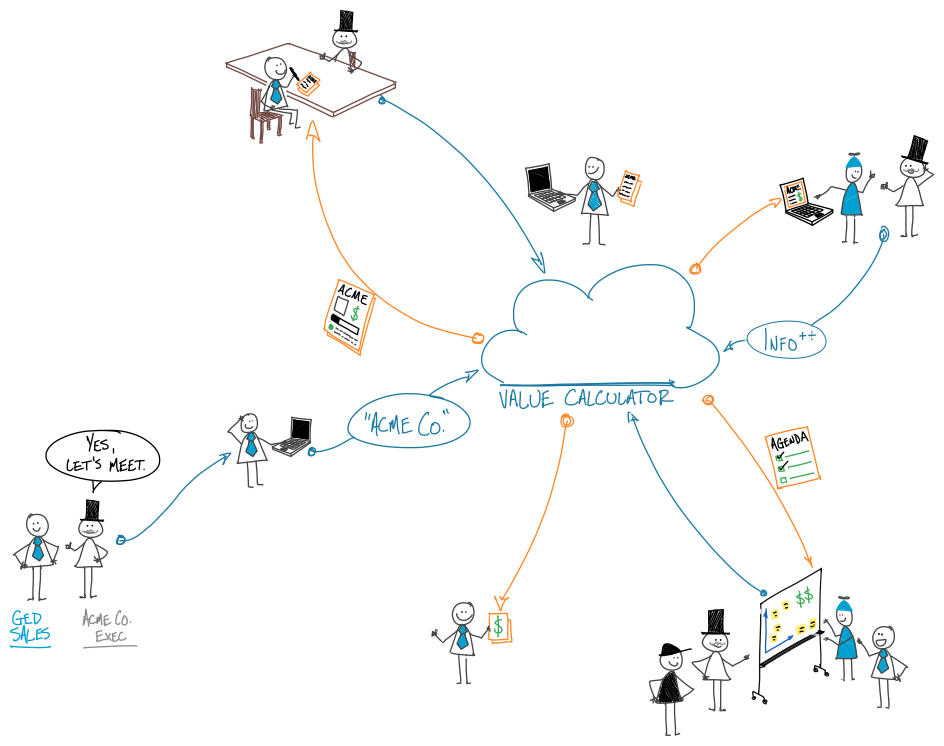
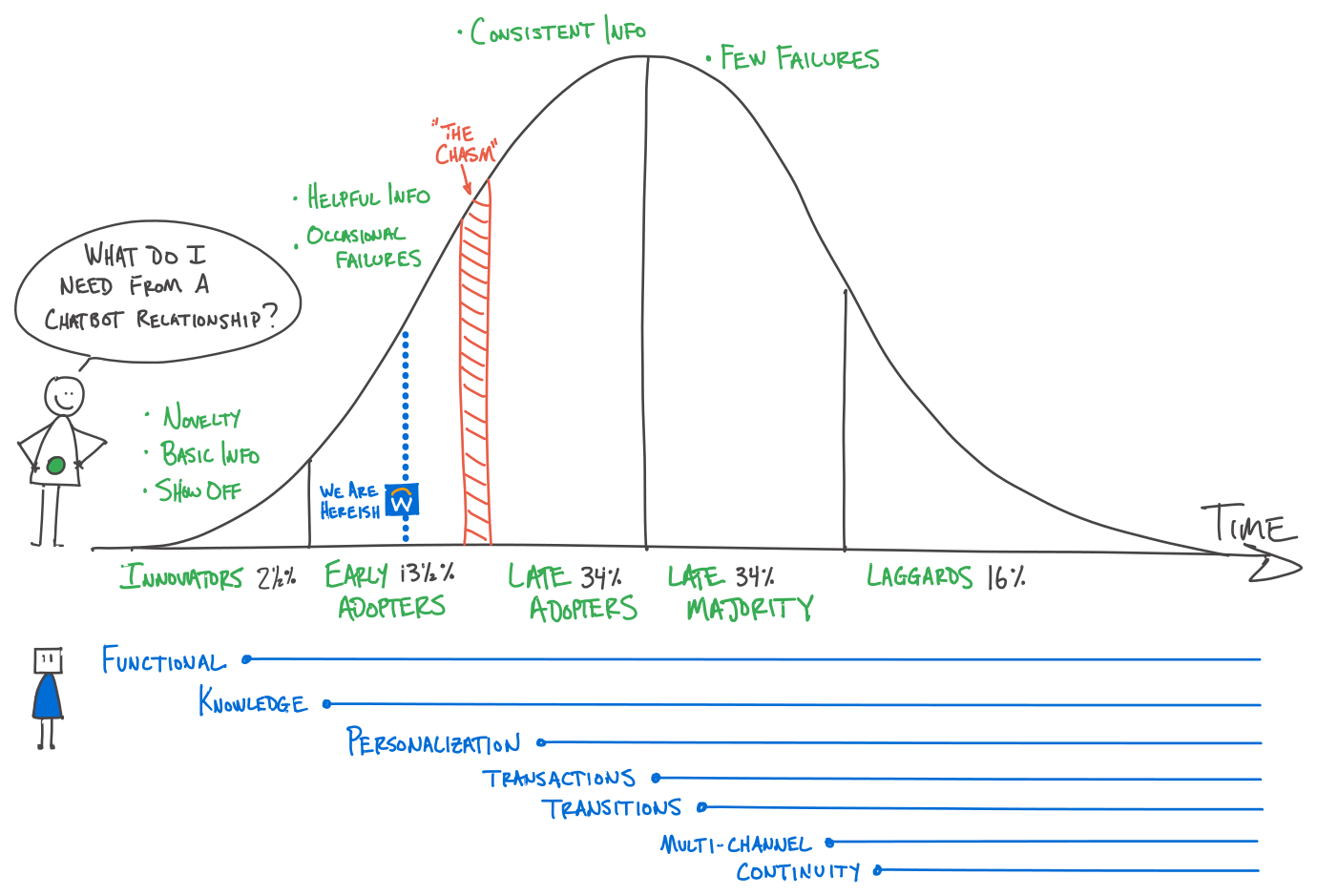
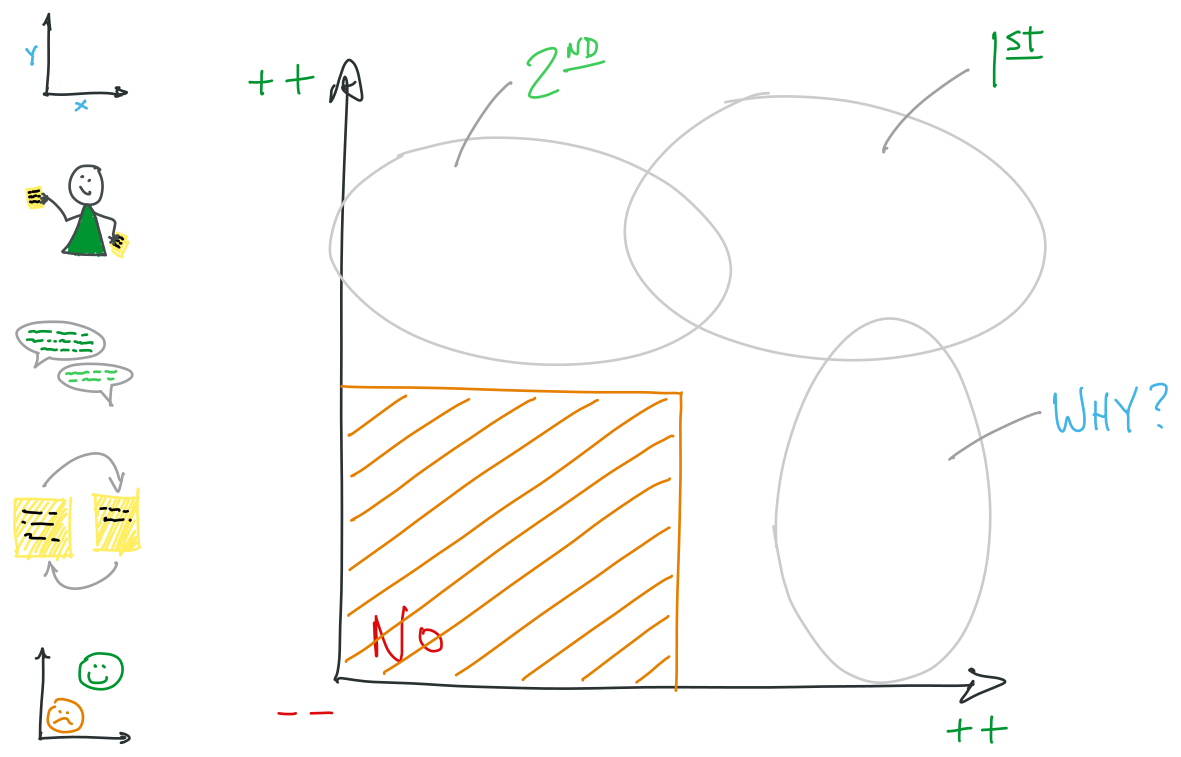
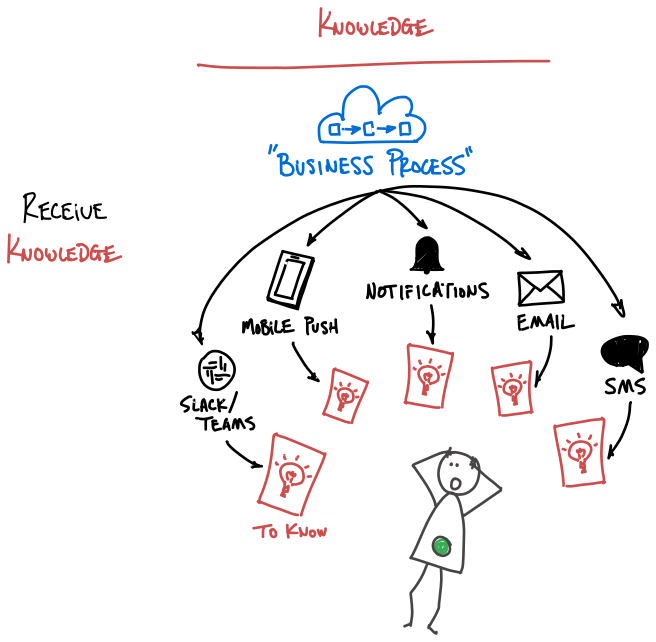
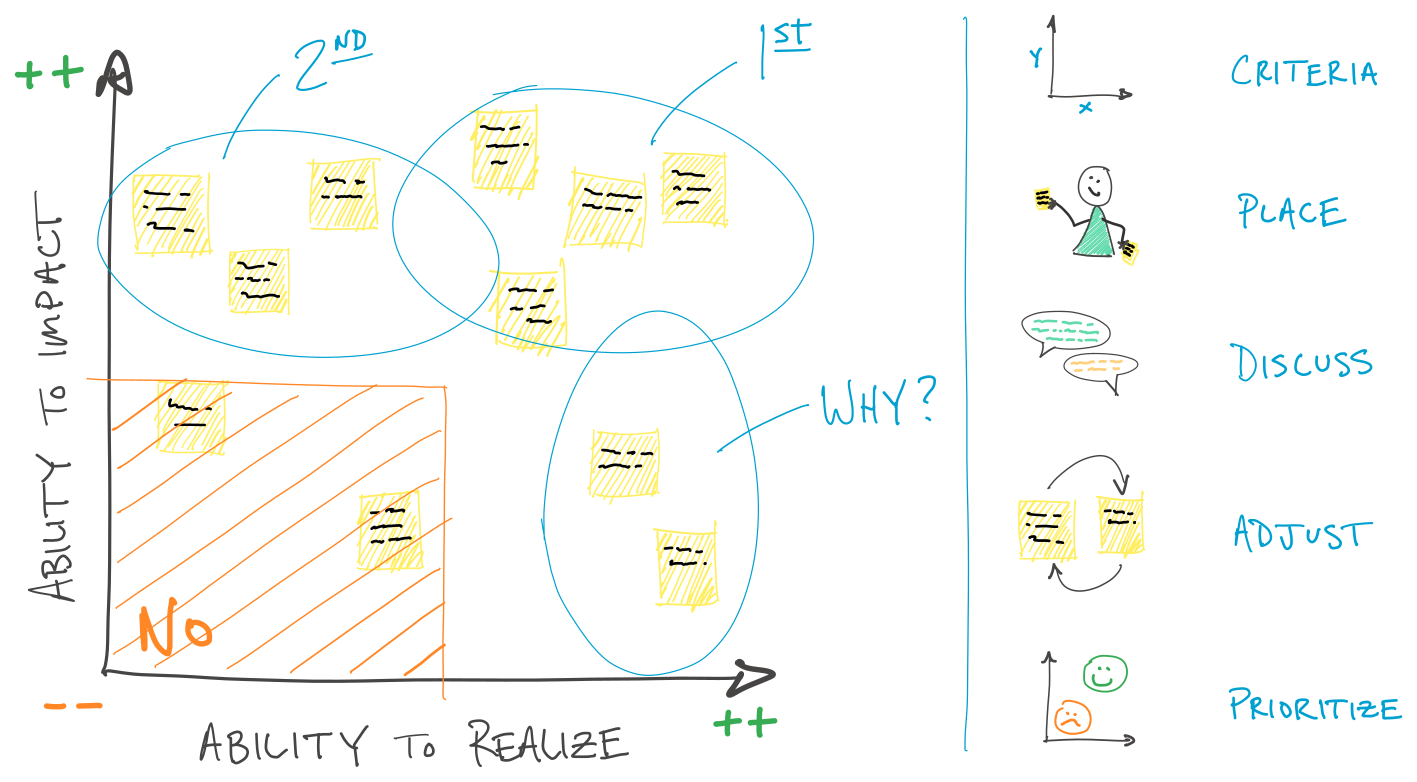
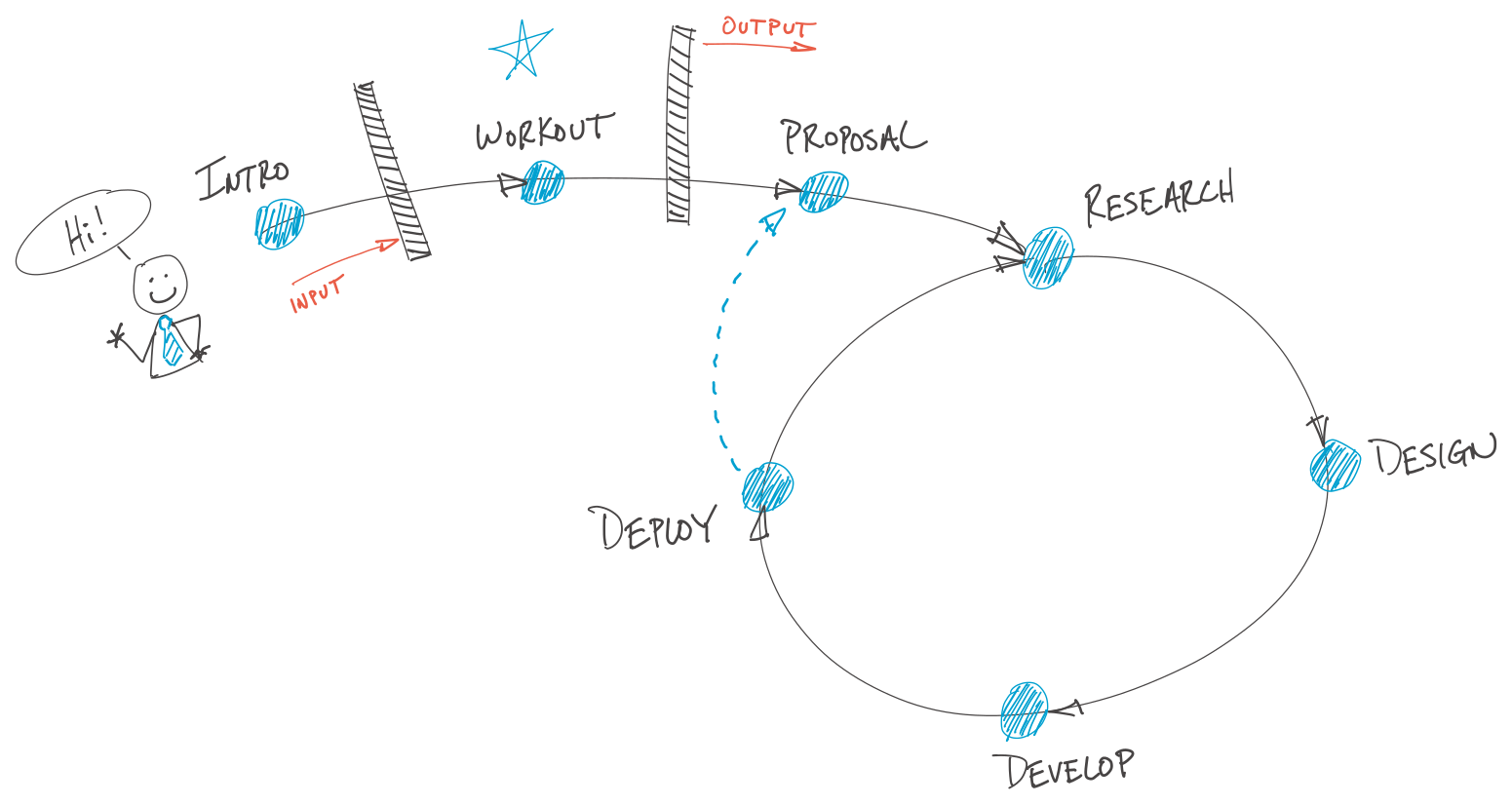
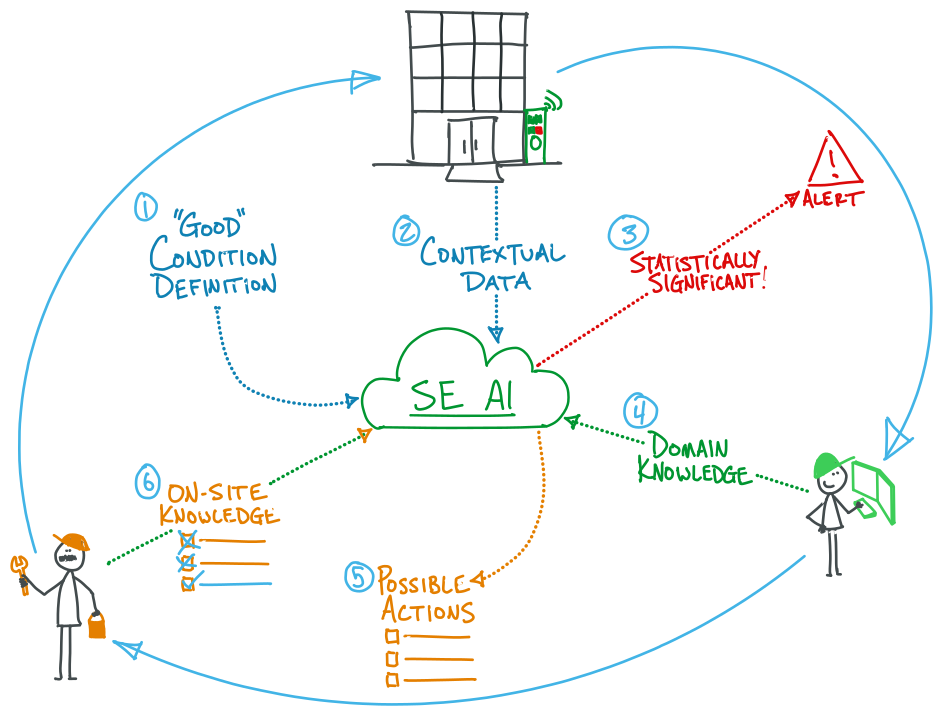
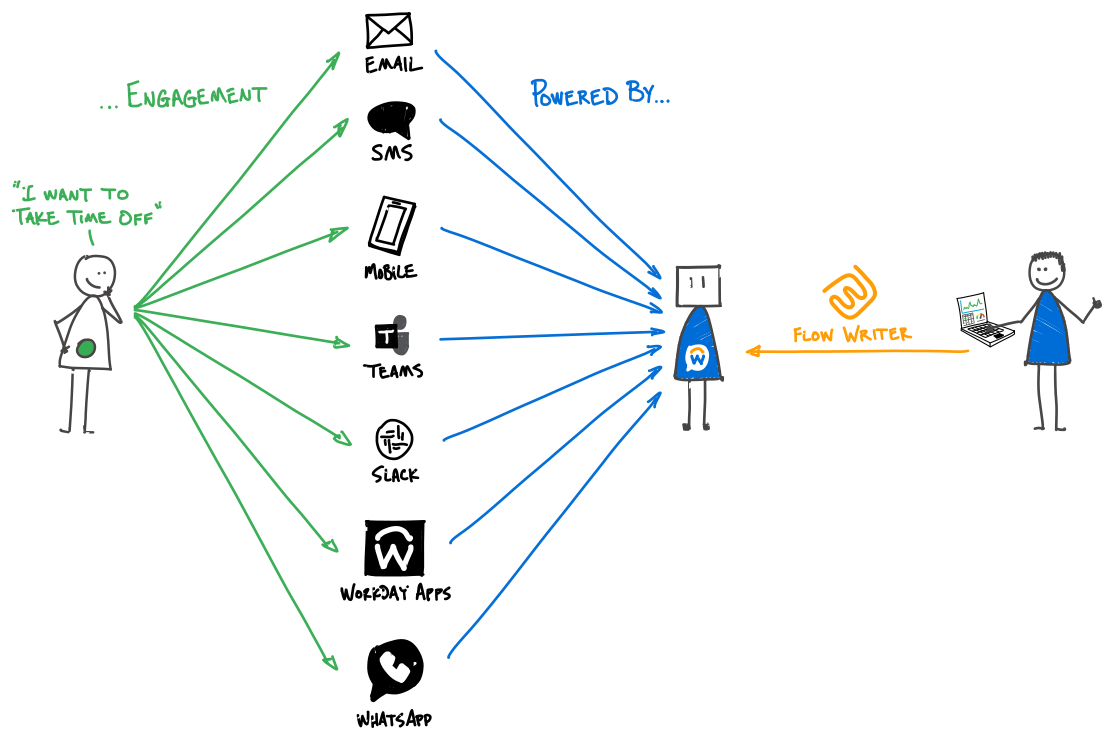
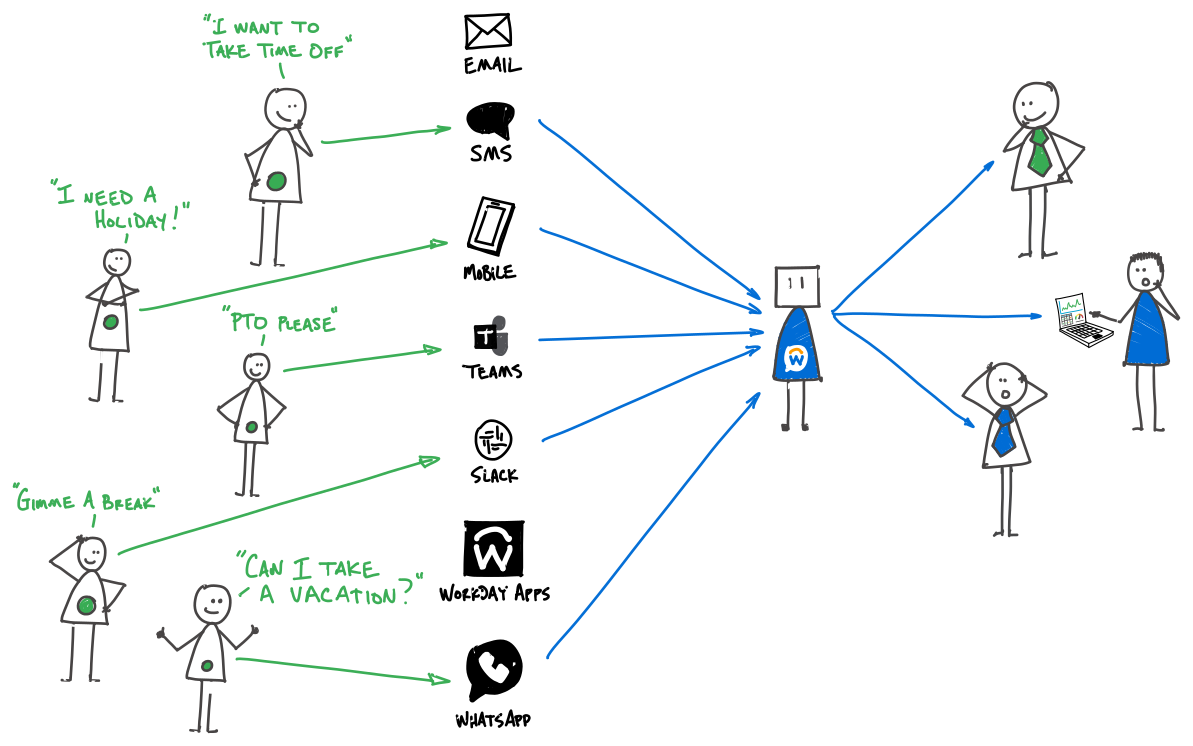
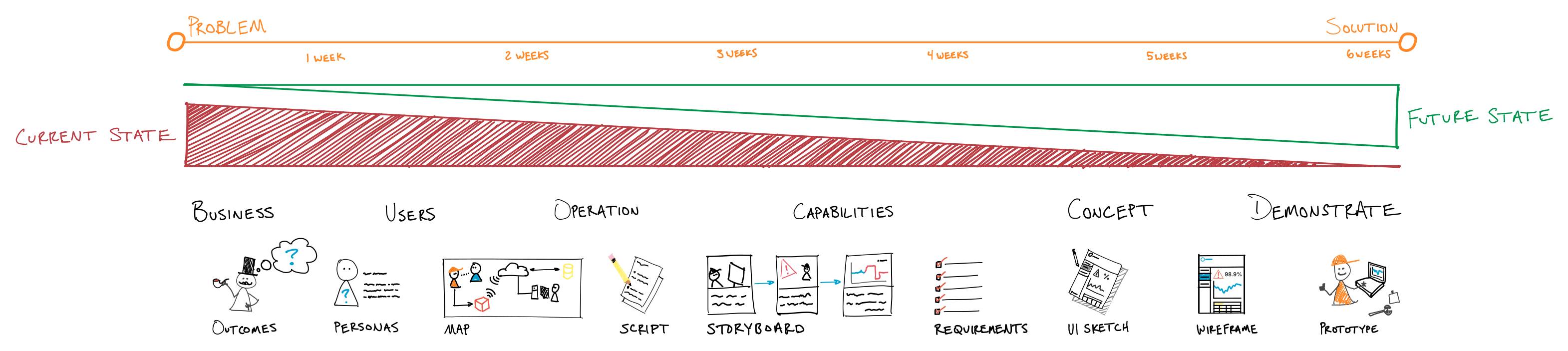
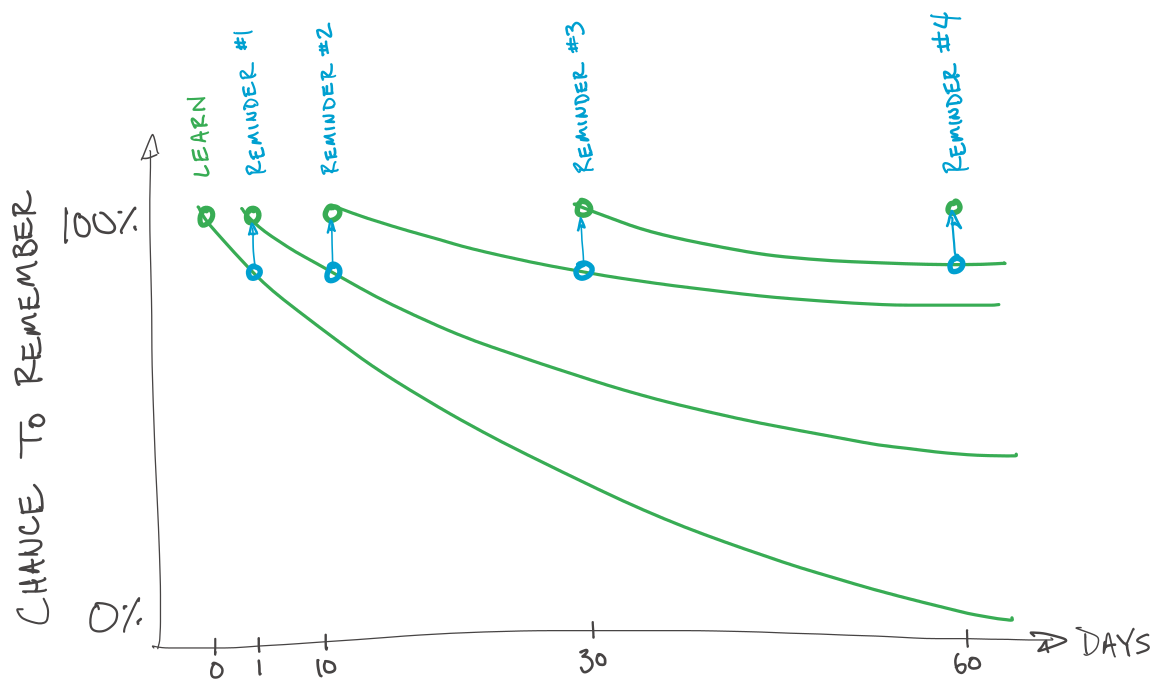
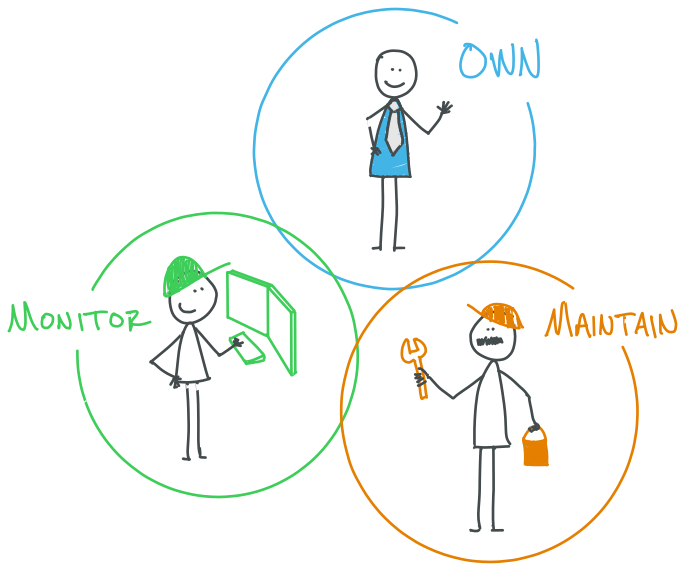
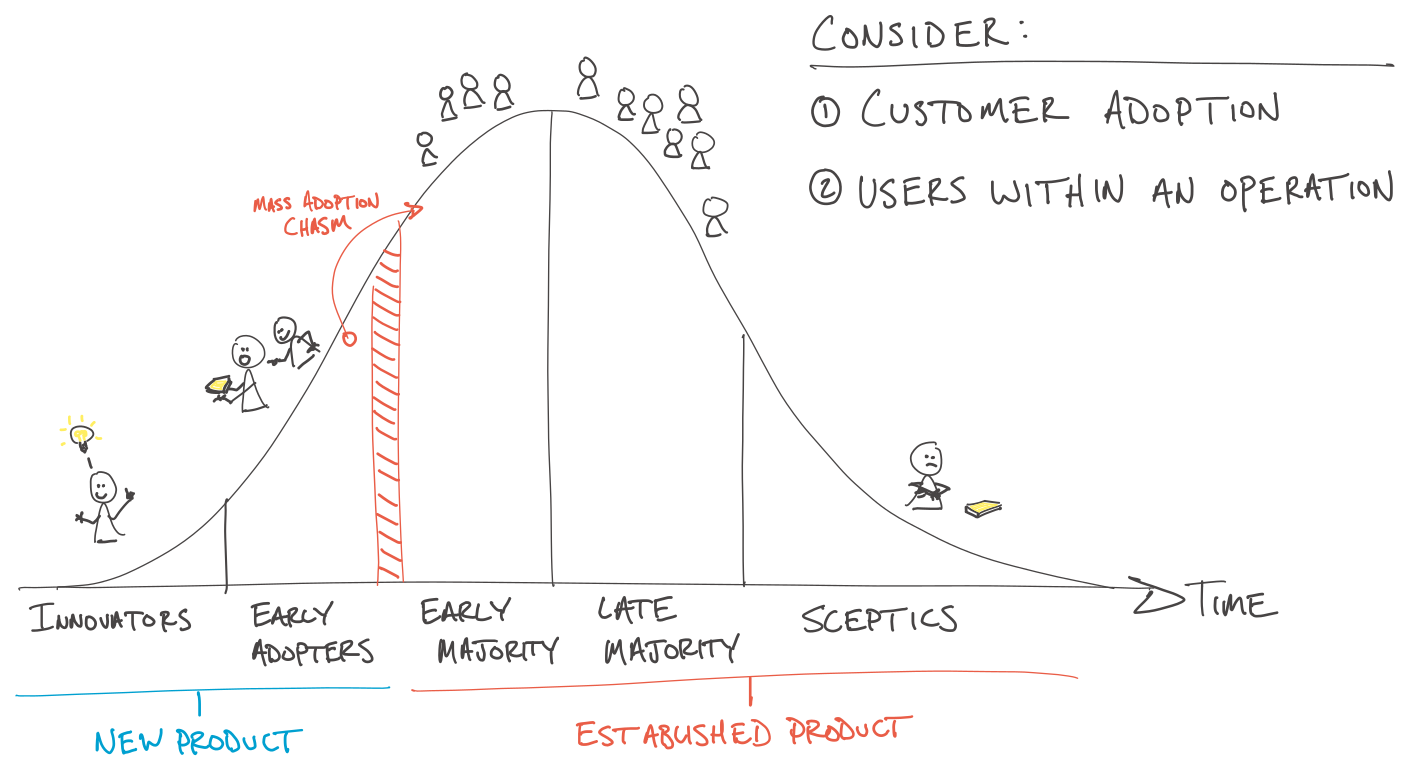
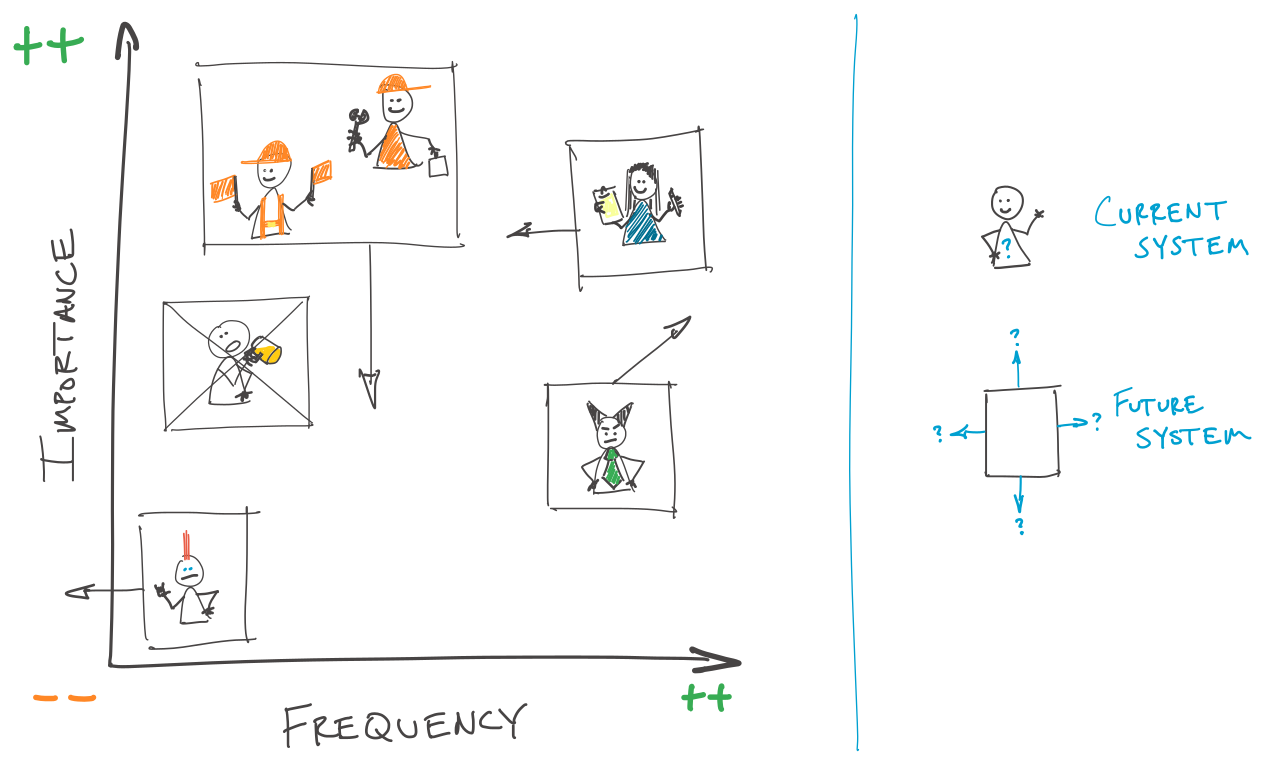
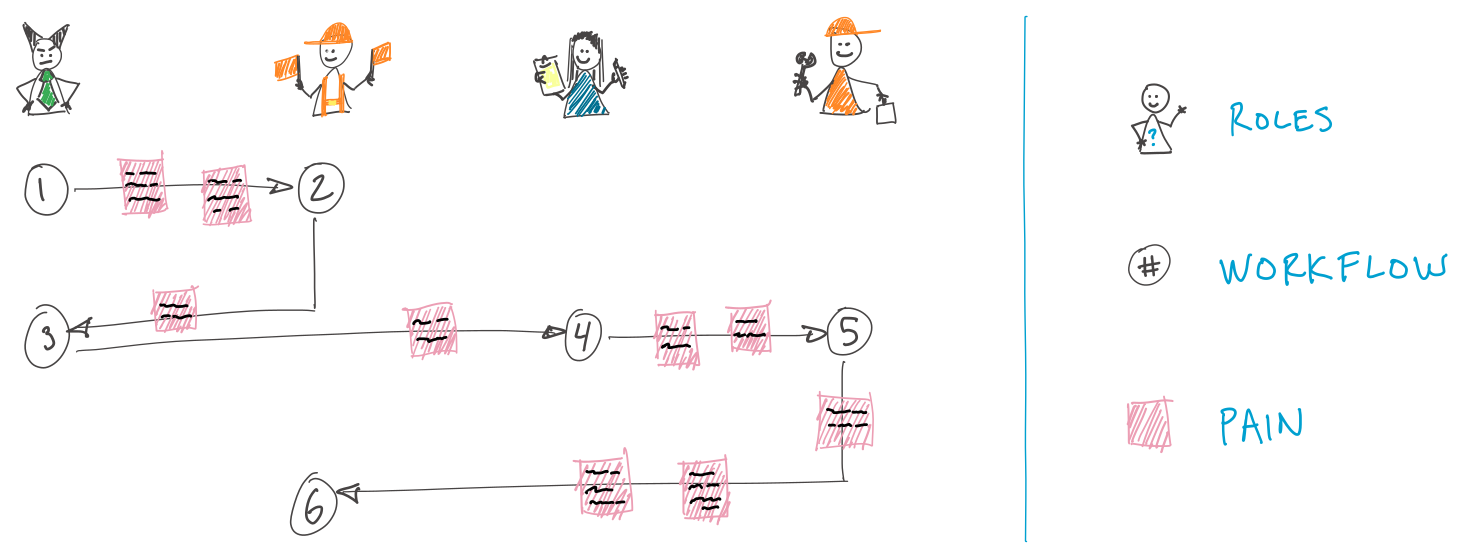
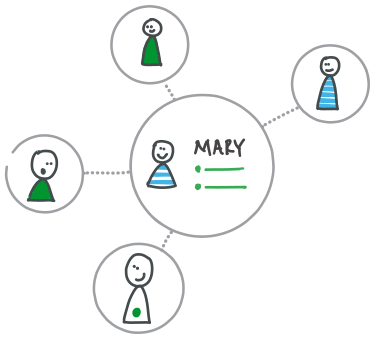
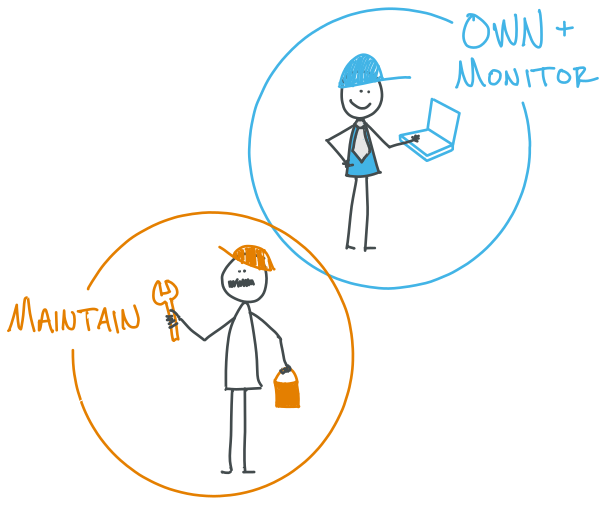
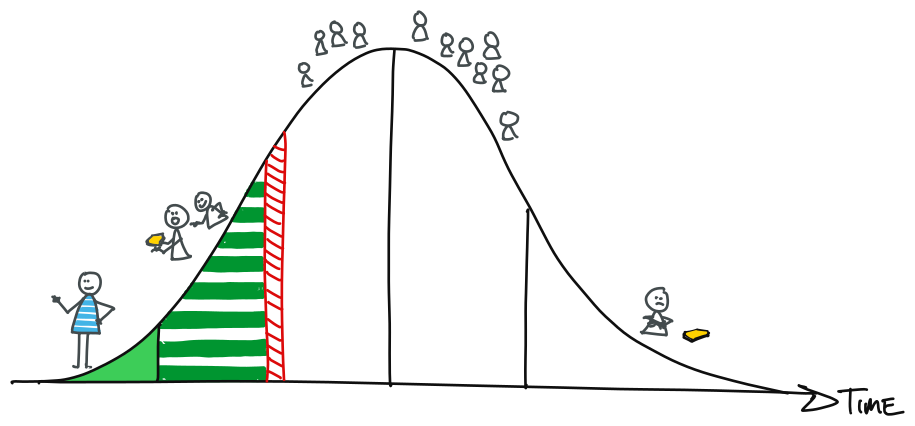
Larger compositions that use the notation to carry an argument: product triads, adoption curves, loops, prioritisation and the transition from current to future state. Many began as workshop moves, so the drawing is also a record of the method.
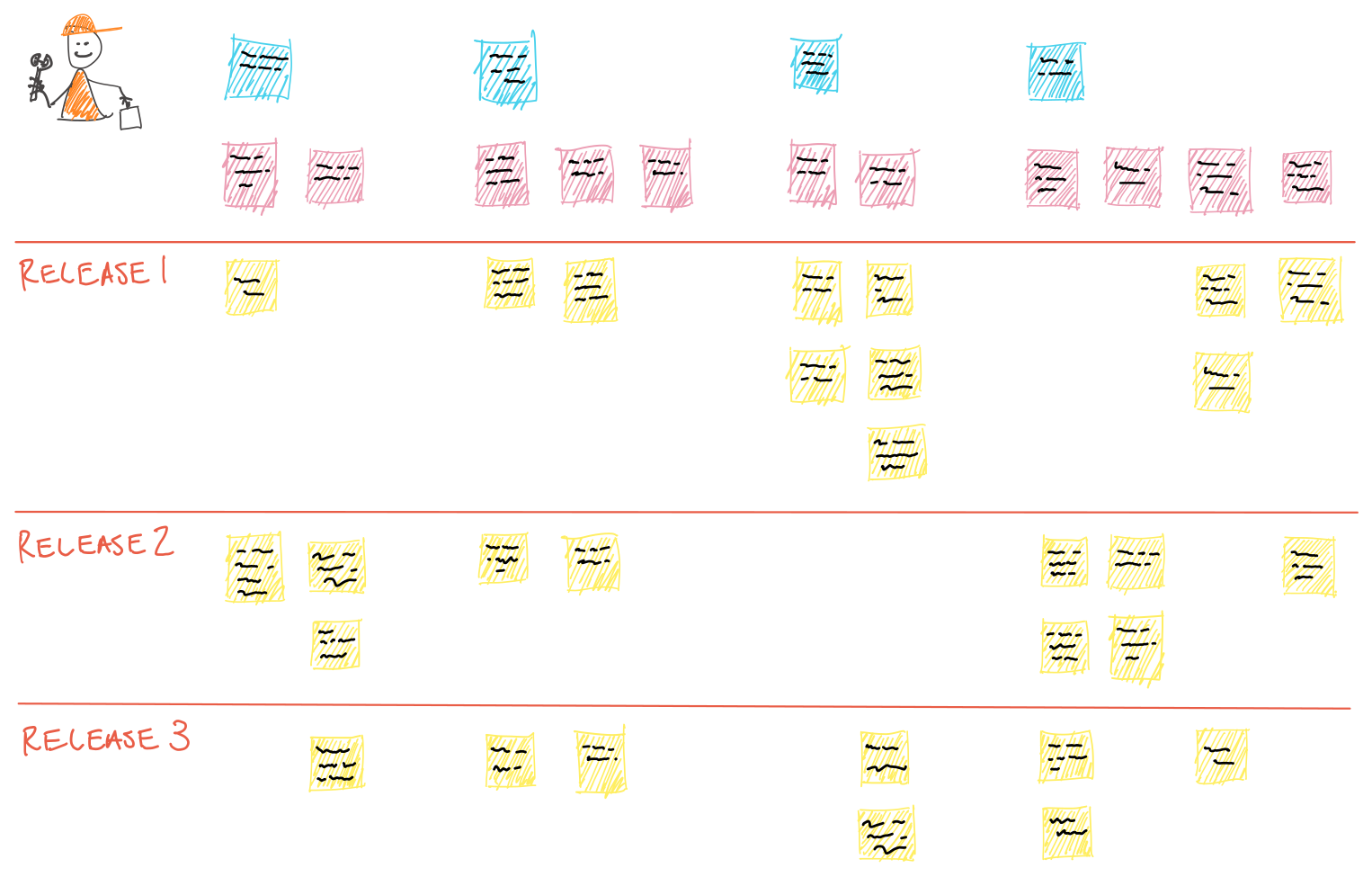
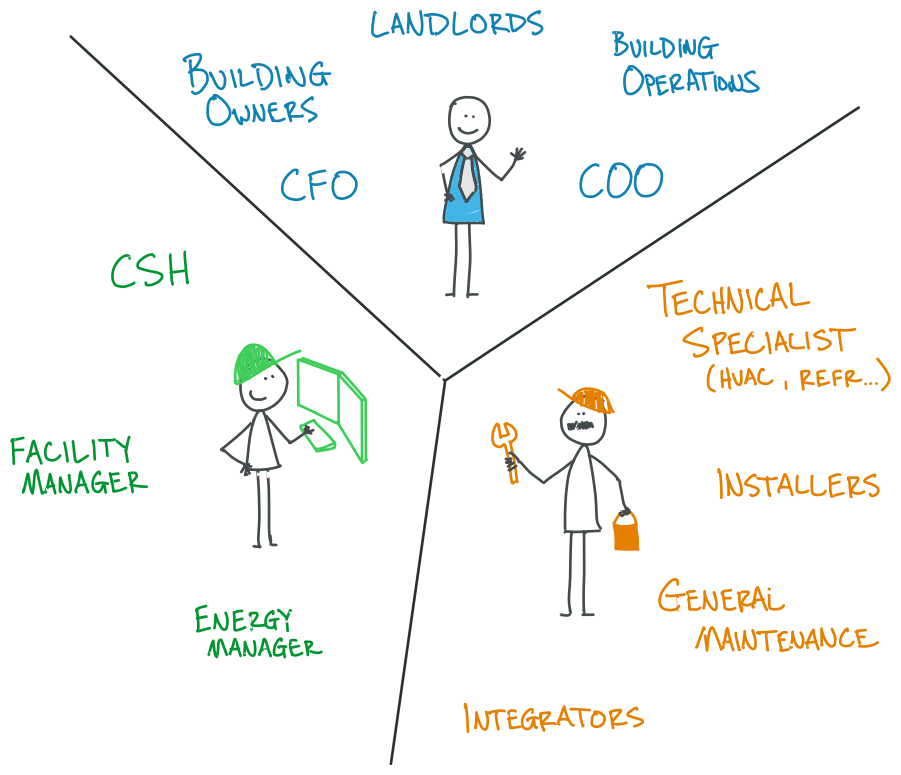
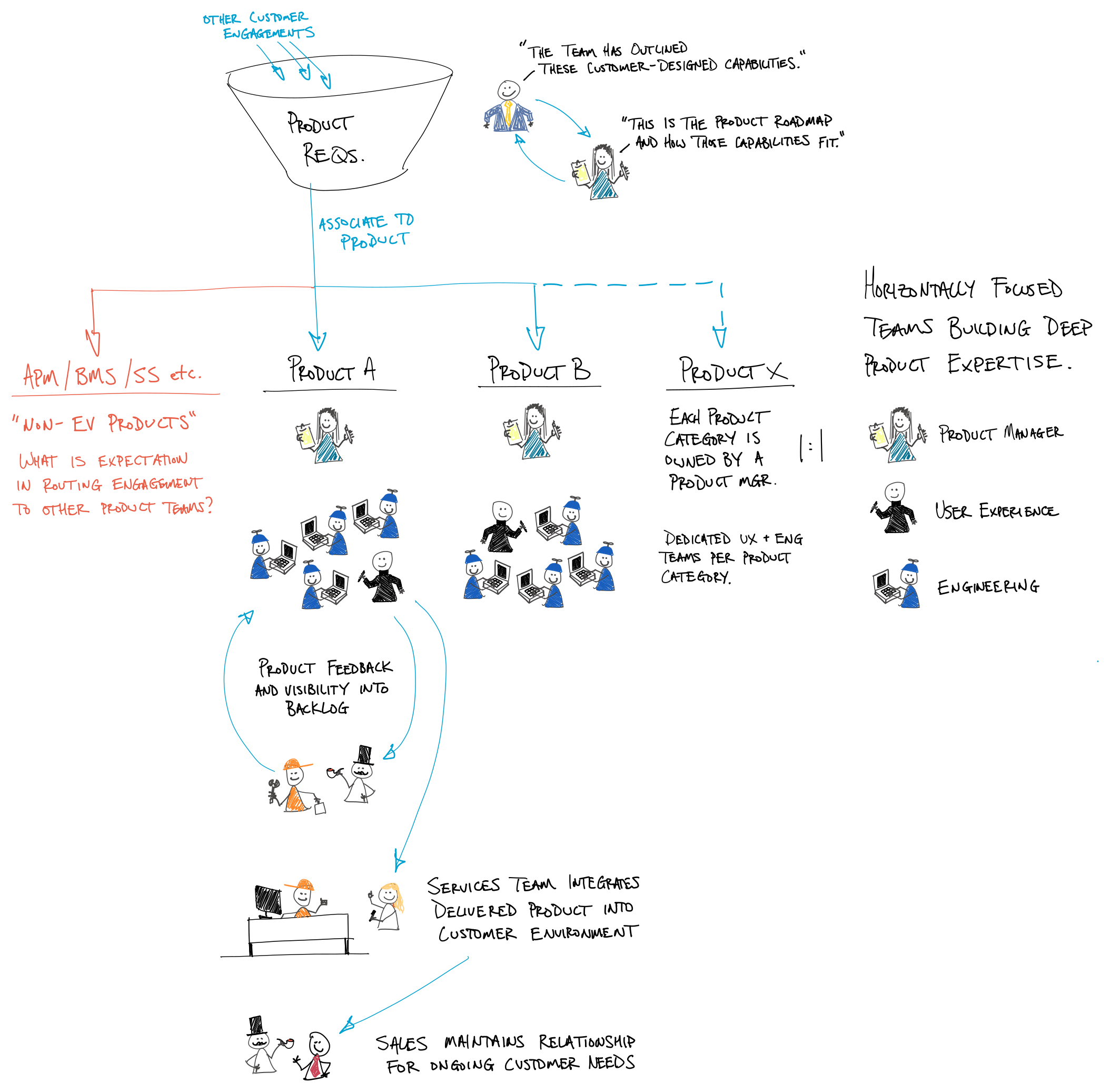
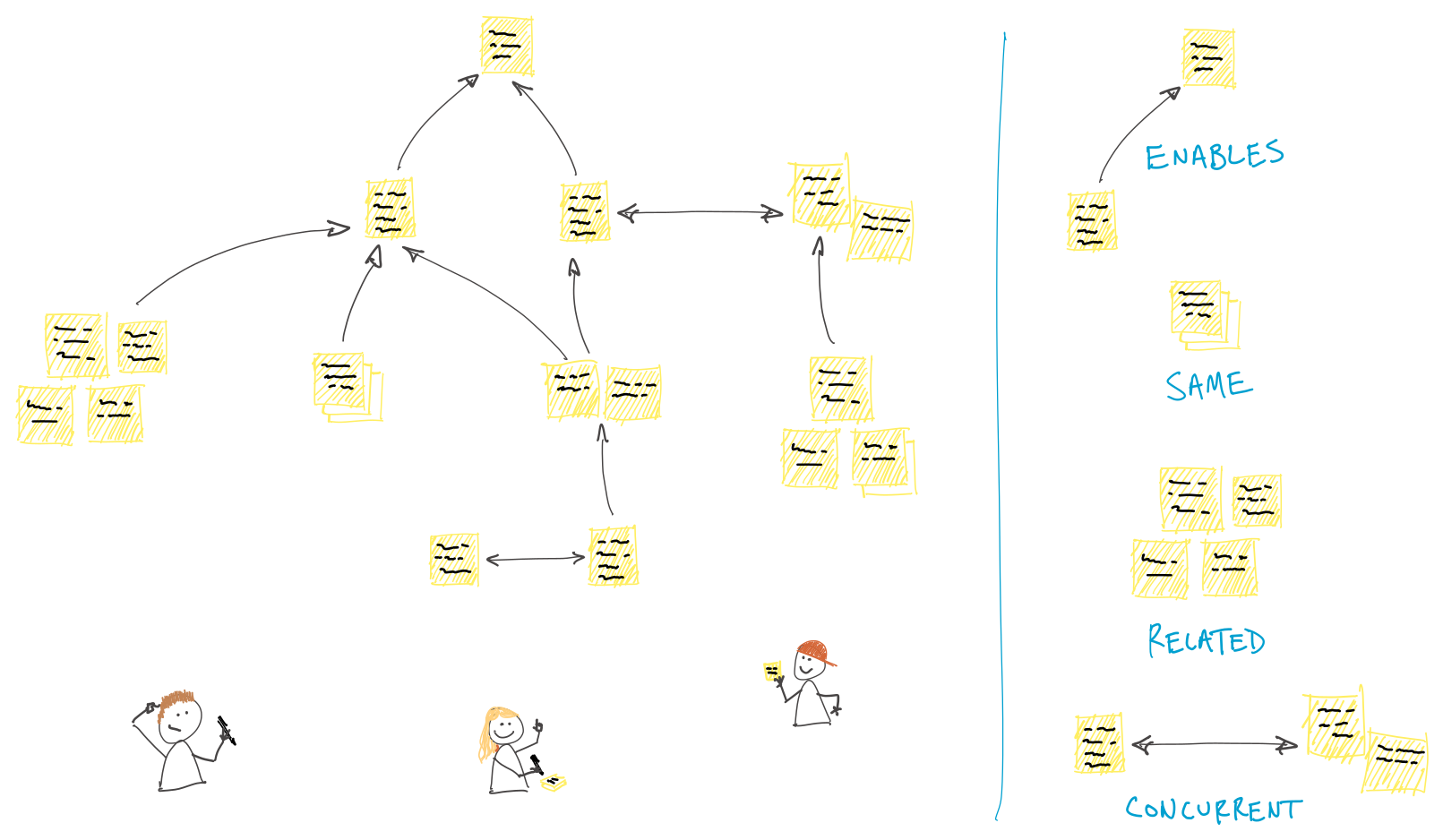
Scenes
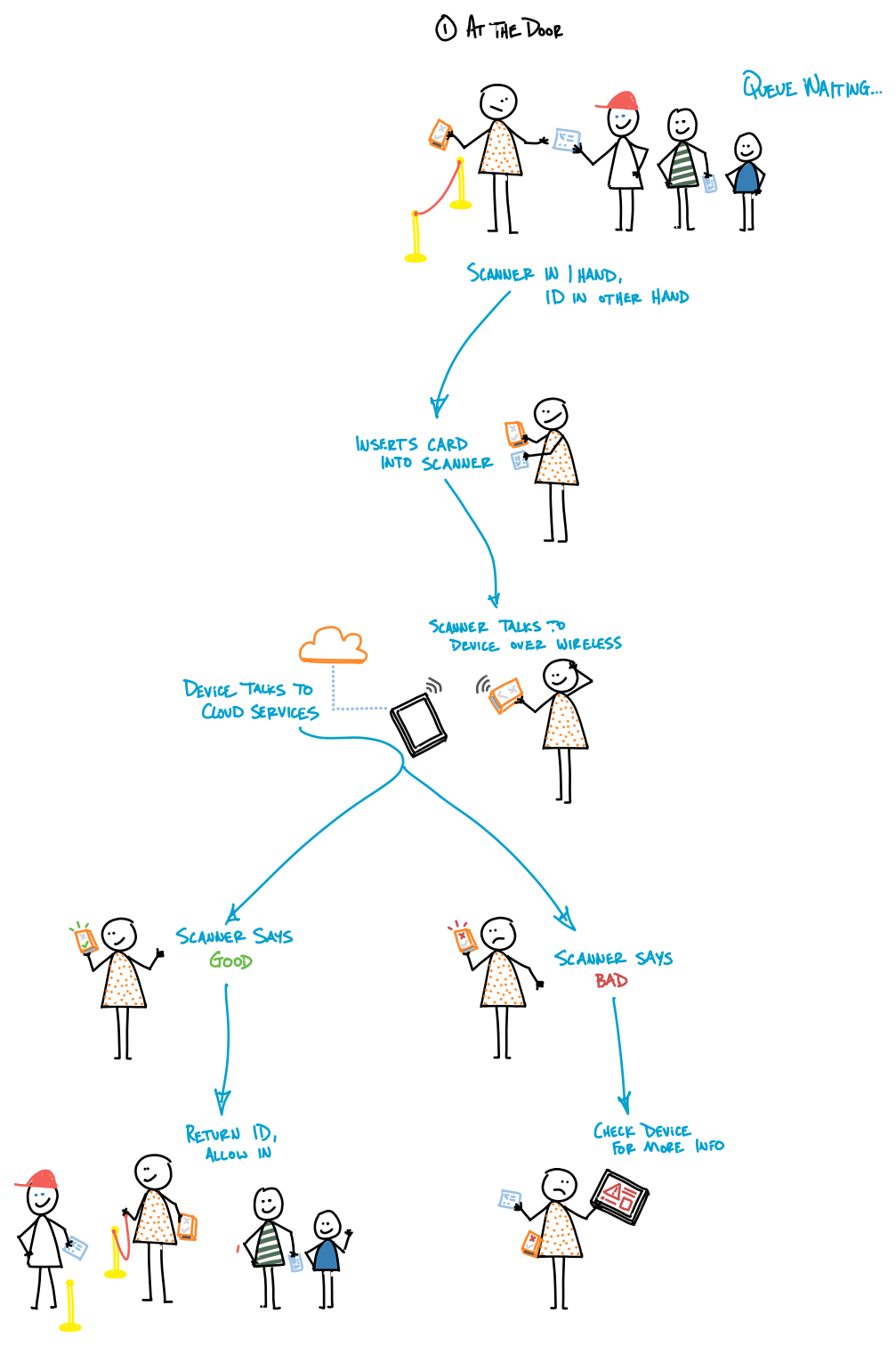
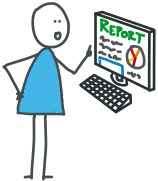
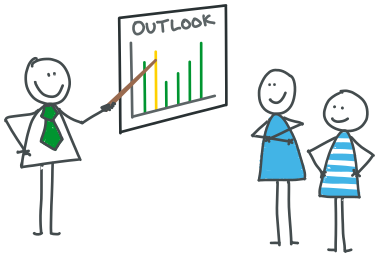
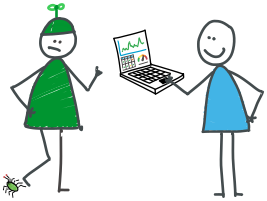
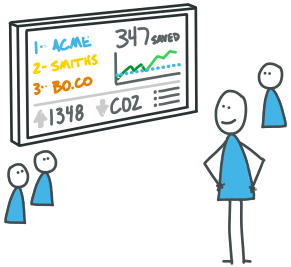
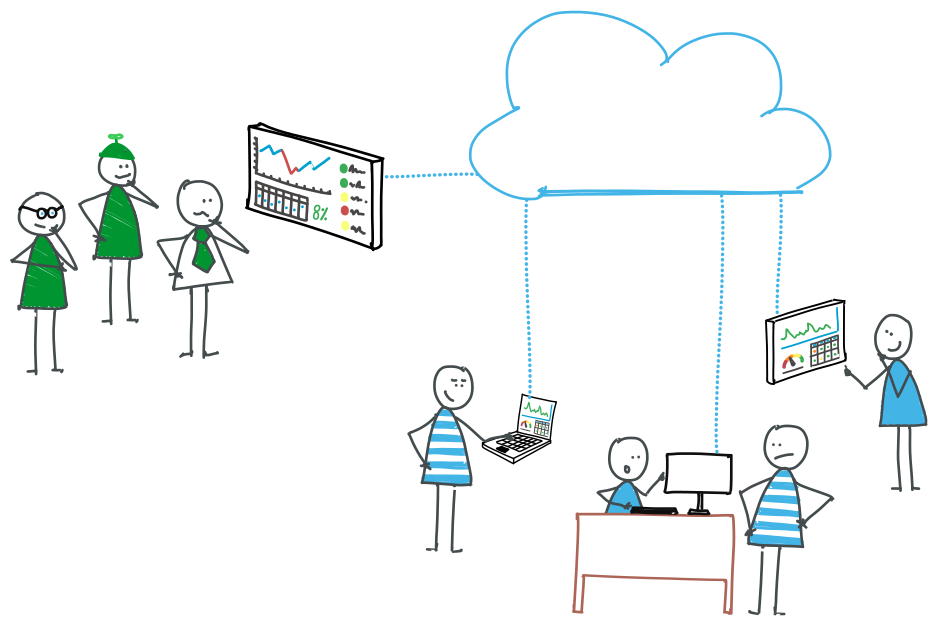
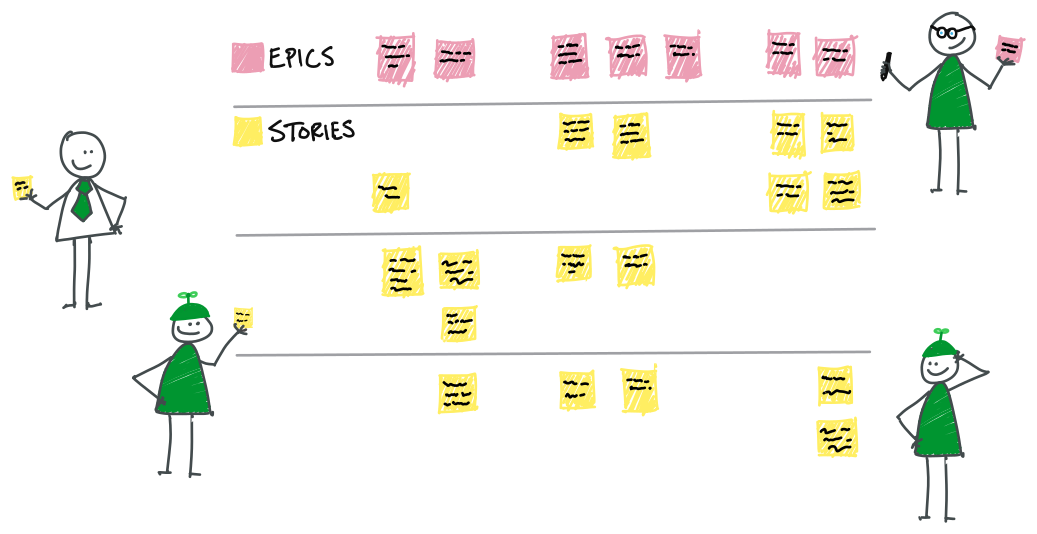
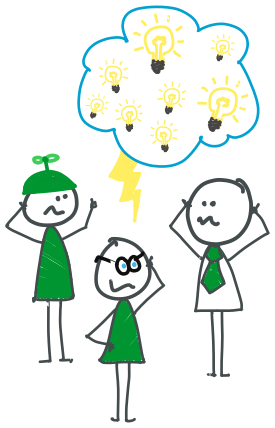
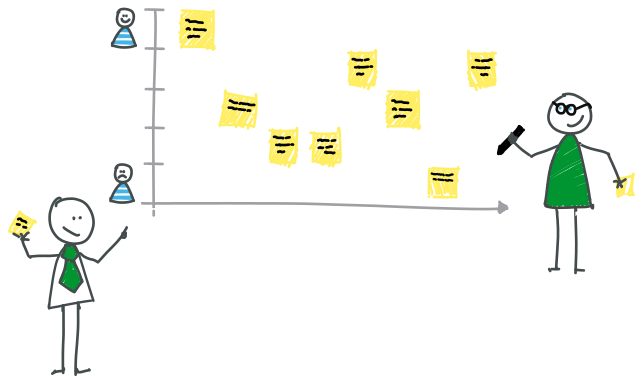
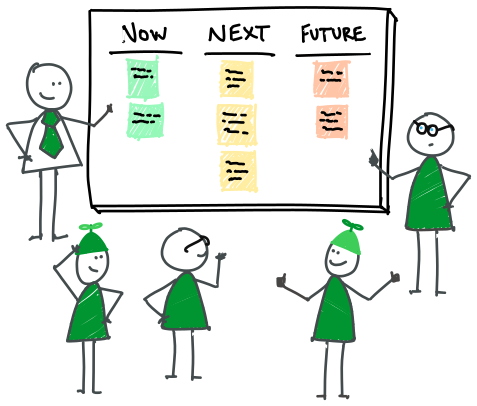
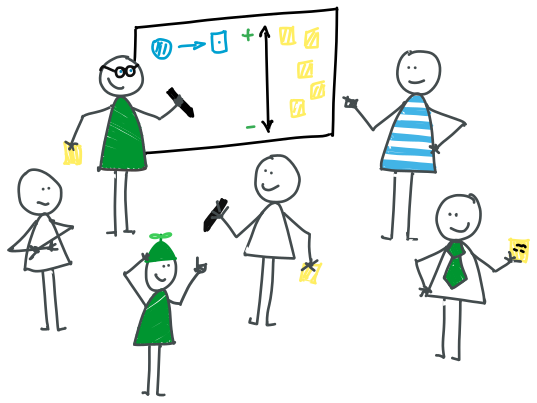
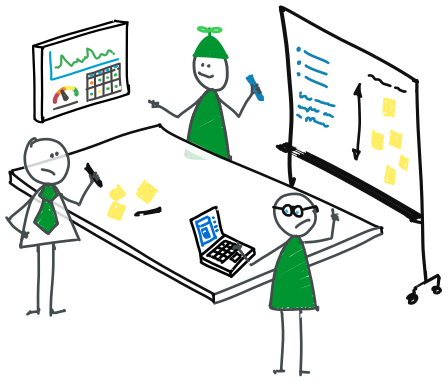
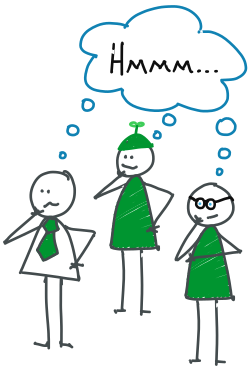
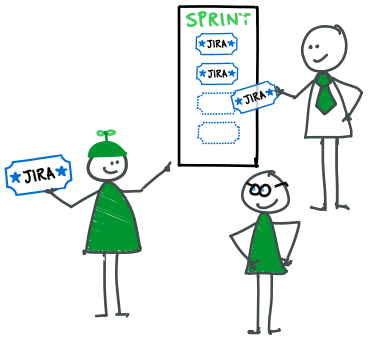
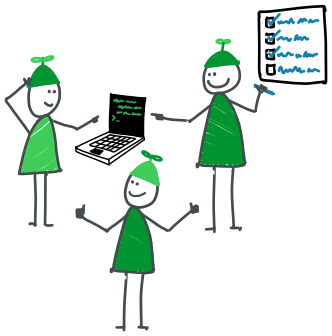
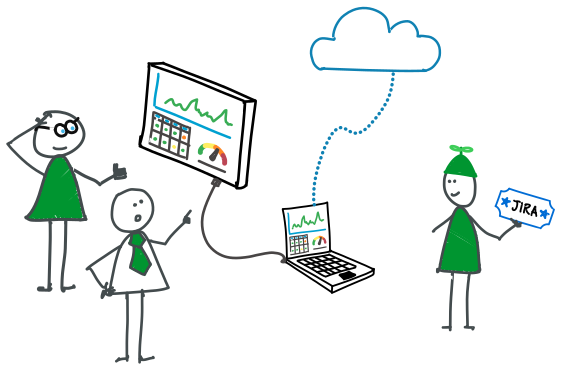
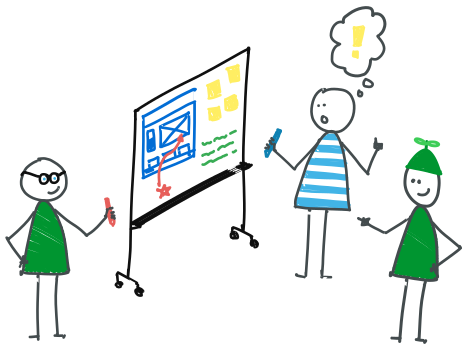
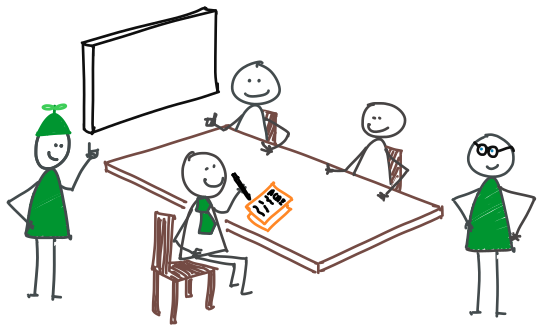
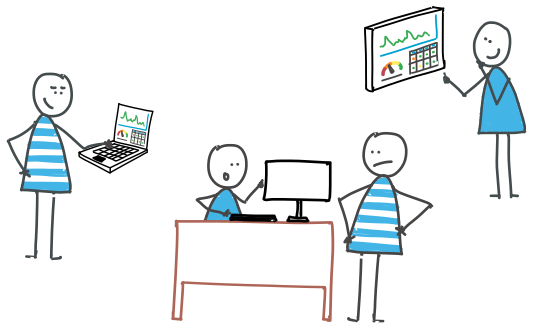
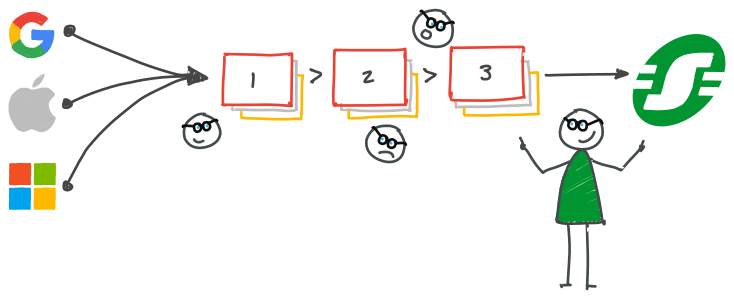
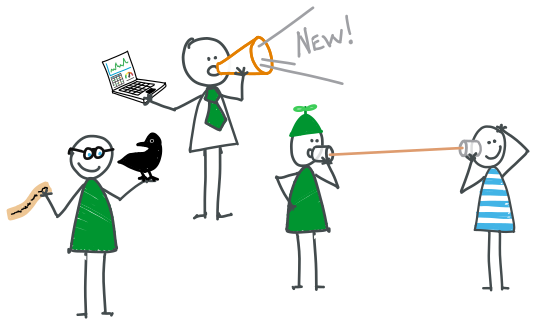
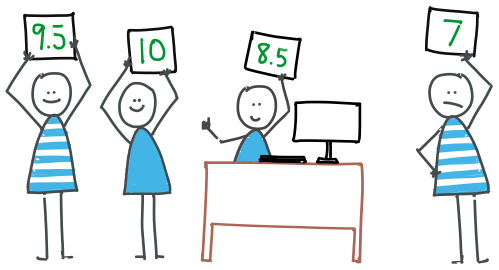
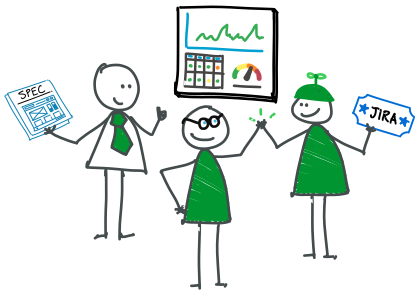
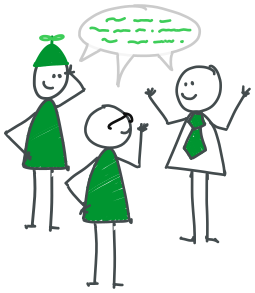
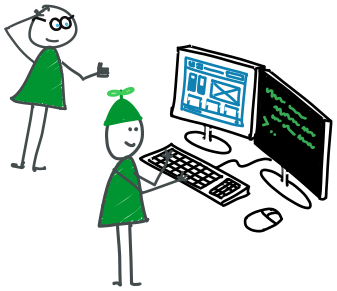
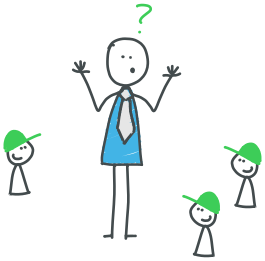
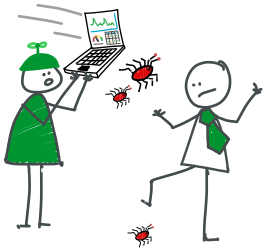
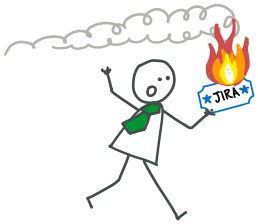
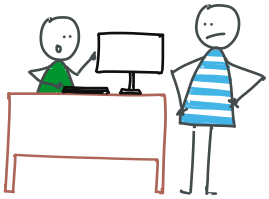
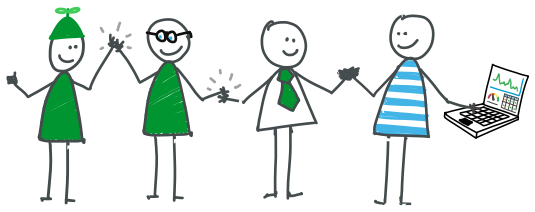
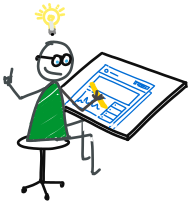
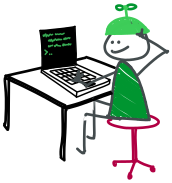
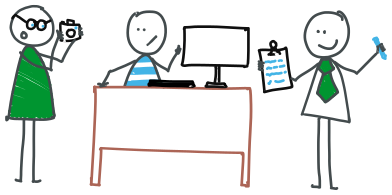
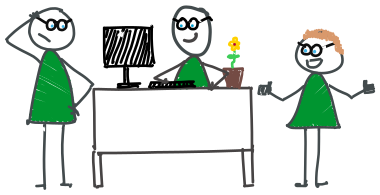
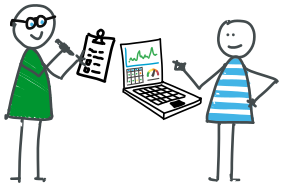
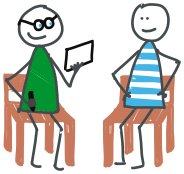
Scenes put characters and objects together into a situation: a workshop, a sprint demo, a site visit, a bug squish. The first eleven are a numbered set of service concepts; the rest cover the moments of a product process and are the drawings I reach for most in decks and diagrams.









People
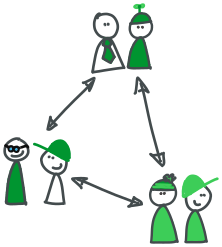
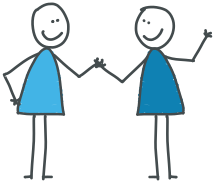
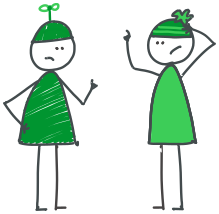
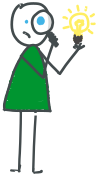
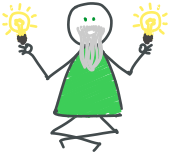
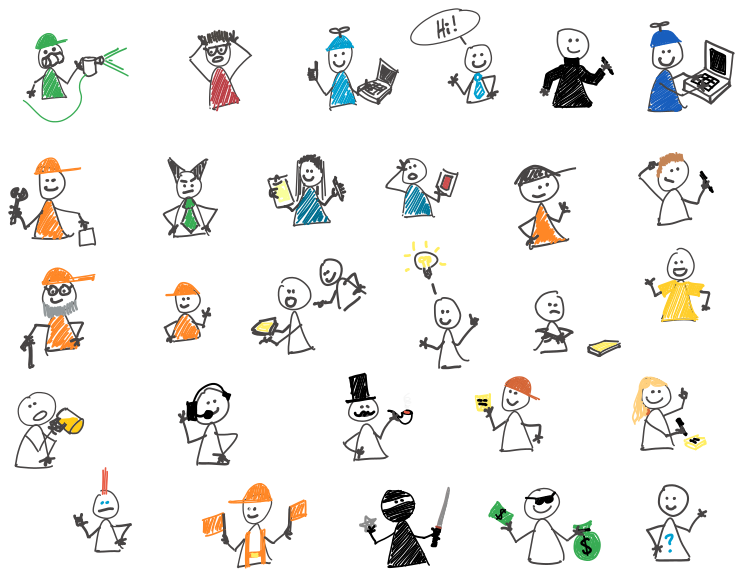
The cast of characters as individual vector drawings, exported from Concepts. A small set of costumes crossed with a small set of gestures gives most of the figures, so the set reads as a system rather than a collection; the minis are the same roles reduced for use inside diagrams.
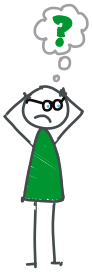

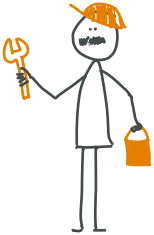
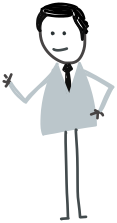
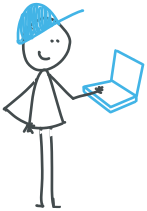

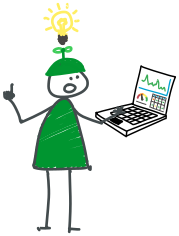

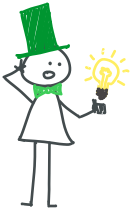


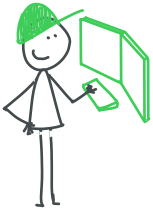
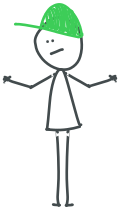
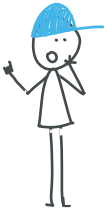



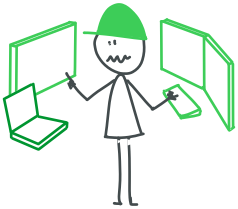




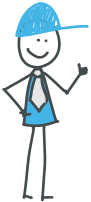
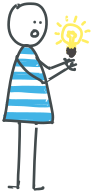

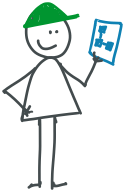


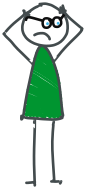




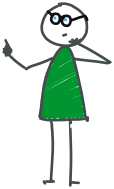



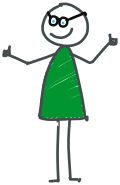





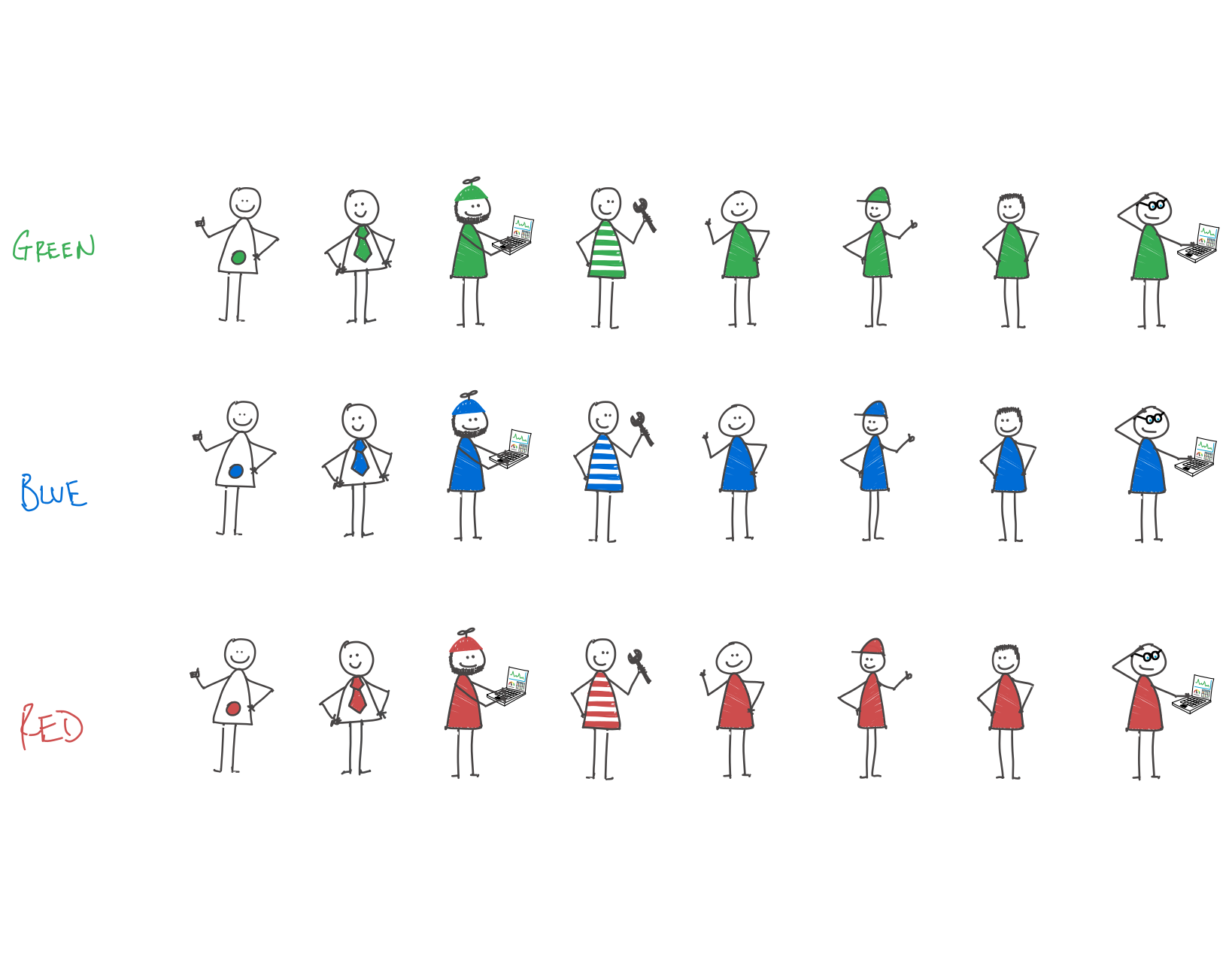
Two of the original canvases the characters were drawn on: a sheet of the early cast, and a study of four figures recoloured in green, blue and red. The second is how I tested the set in a different brand palette before publishing it.
Objects
The objects of the library: documents, calendars, sketches, bugs, switches and speech bubbles, each drawn plainly enough to name itself. They are the nouns the scenes are built from.





AI usage
2, Ideas. AI helped with research, sources, brainstorming or structure. I wrote every word.The tiers